The amps
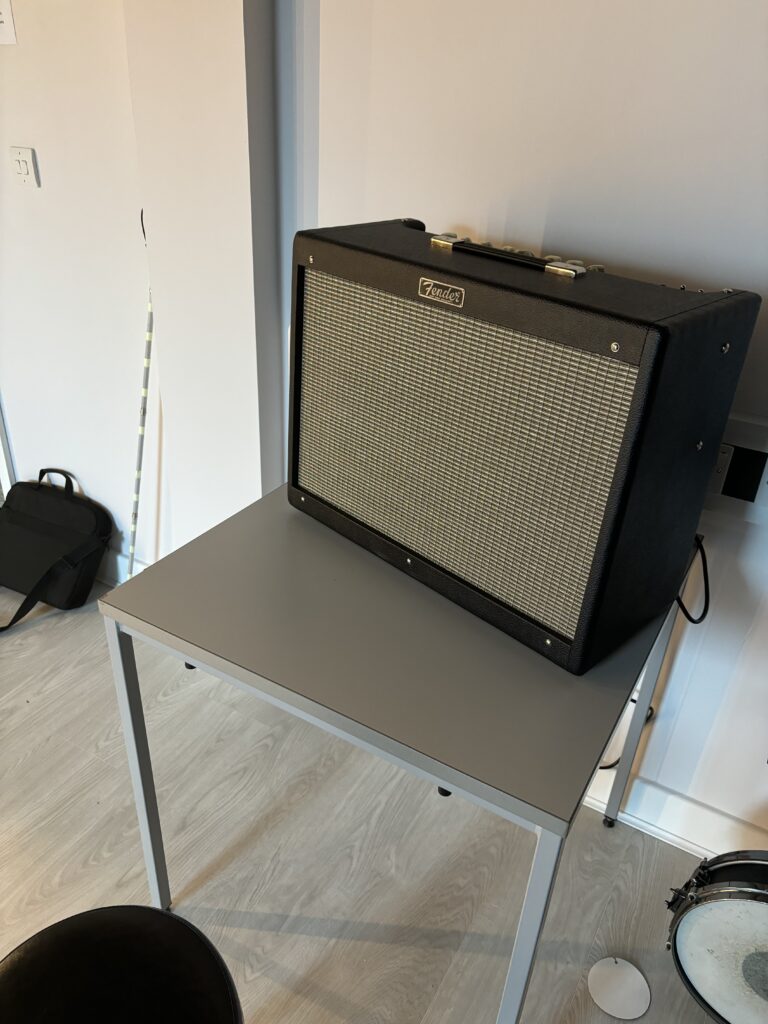
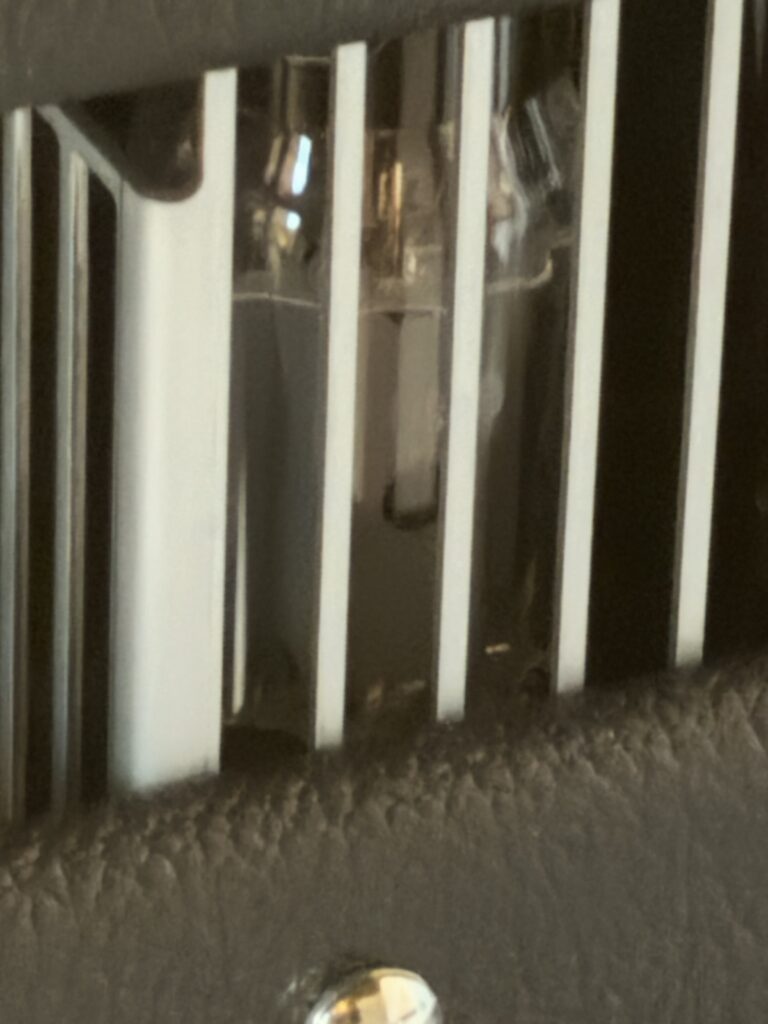
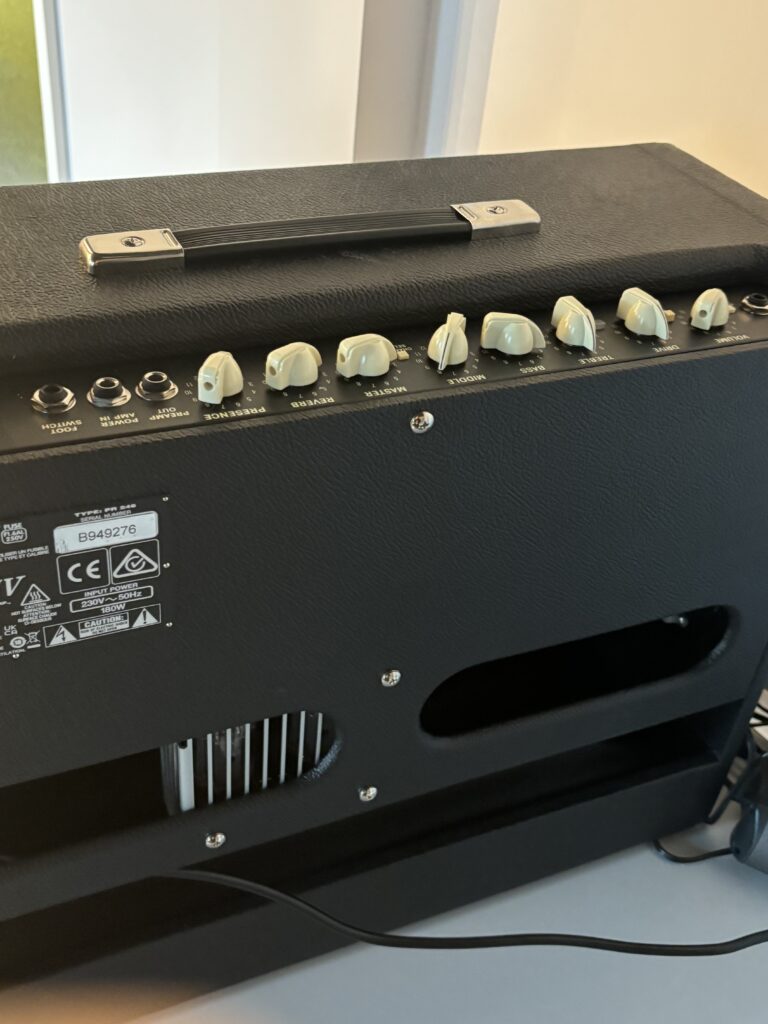
the amps that where used where a valve amp for the main and rhythm guitar. For the bass we used a bass cabinmate, this used DI to eliminate bleed from the audio recoding to make the mixing process easier. The bass itself was recorded unseeing a bass cabinmate oppose to a regular amp to give the bass more prescience in the track.
How to handle a valve amp correctly
a valve amp is made with glass valves therefore it is prone to damage over time. It is important to put the amp on standby when not in use. This is really important for safety purposes. a valve amp needs to left to heat up and cool down before it is turned of to prevent damage.
The mics used
for the drums there was a D112 for the kick drum
The process of recording this track
we started by recording the drums, bass, and lead guitar in the same take. With 7 tracks for the drums with one for each tom, one for the snere, one for the kick track, and two for the overhead placement. For the bass and guitars there was a mic on the cab and valve amp. Also the where recorded in the controlee room. To lessen bleed from the drums and bass. the two guitars are recorded separately, because there is only one valve amp. The bass used one track, the lead and rhythm guitar where recorded individually. With the rhythm being recorded at the same time as the vocals. For the vocal take I recorded it in the studio with a connecter mic. This was done with a pop filter to prevent breath pressure between takes. For this there was one track for the vocals and rhythm guitar.
The number of tracks
For this song we used 11 tracks used in this recording.