Tower of US Workshop
An exciting opportunity as part of the Young Creatives is working with Ealing Council on an exchange programme. Their first session was here in Bradford where I was able to facilitate a creative workshop based on Bradford 2025’s Tower of Now.
Appropriately named ‘Tower of Us’ I had tasked groups of 4 people to make towers that represent their group. They were given a limited array of tools and materials to encourage social discussions and teamwork. Ultimately, we produced 4 towers which were completely different to each other, incorporating different qualities and crafting methods to create their tower.
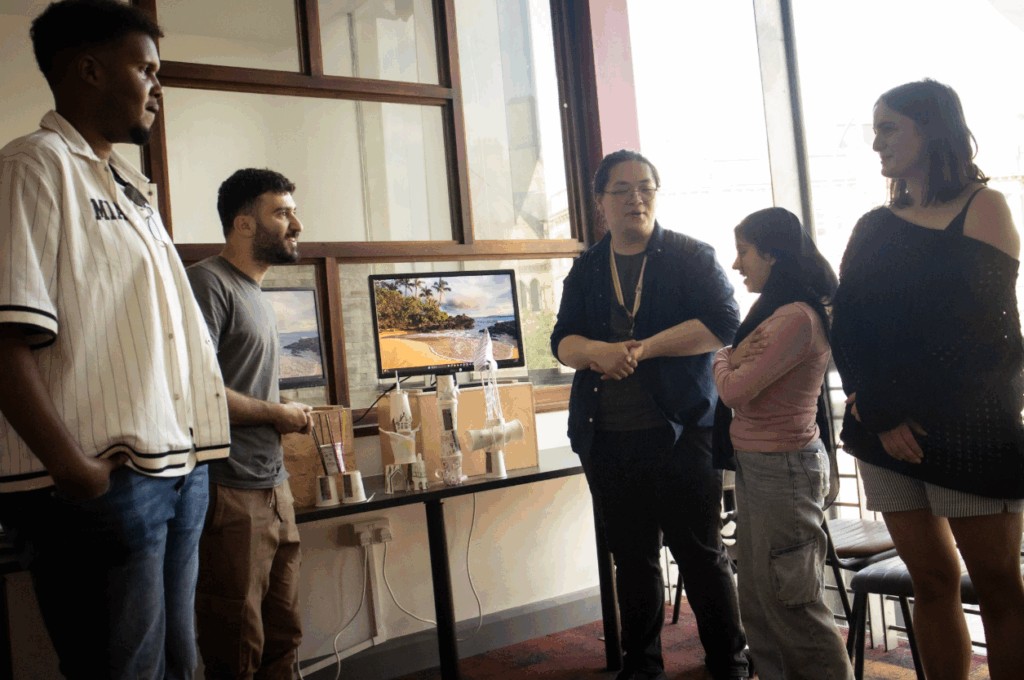
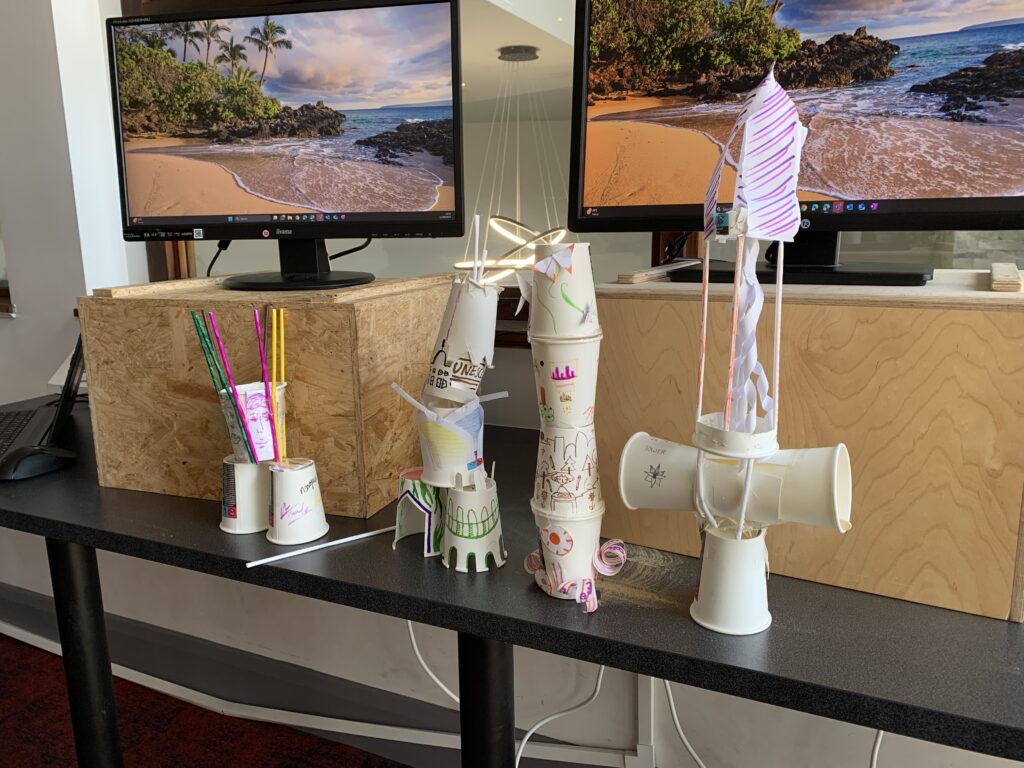
This workshop was able to accomplish two things: the first, provide a relatively low stakes ice breaker task to get to know each other; The second, involve creative tasks that ask the participants to consider their selves and their values.
Having been able to facilitate this short workshop, I was able to develop my skills as a leader, and broadened my perspective of how architectural symbols and motifs can be used to spur explorations of identity.
It’s workshops like these that are important to my design business as it pulls useful information and data about a group of people. If this group were part of a community, it would be appropriate to interpret that information through an architectural context to then design a space for those people. Hypothetically, in the context of the workshop, I would’ve been able to take the design elements and design a tower that accurately represents those groups of people.
Pitzhanger Manor & Gallery
The second part of the exchange involved the Young Creatives making the trip to Ealing, London to explore the local creative scene and culture.
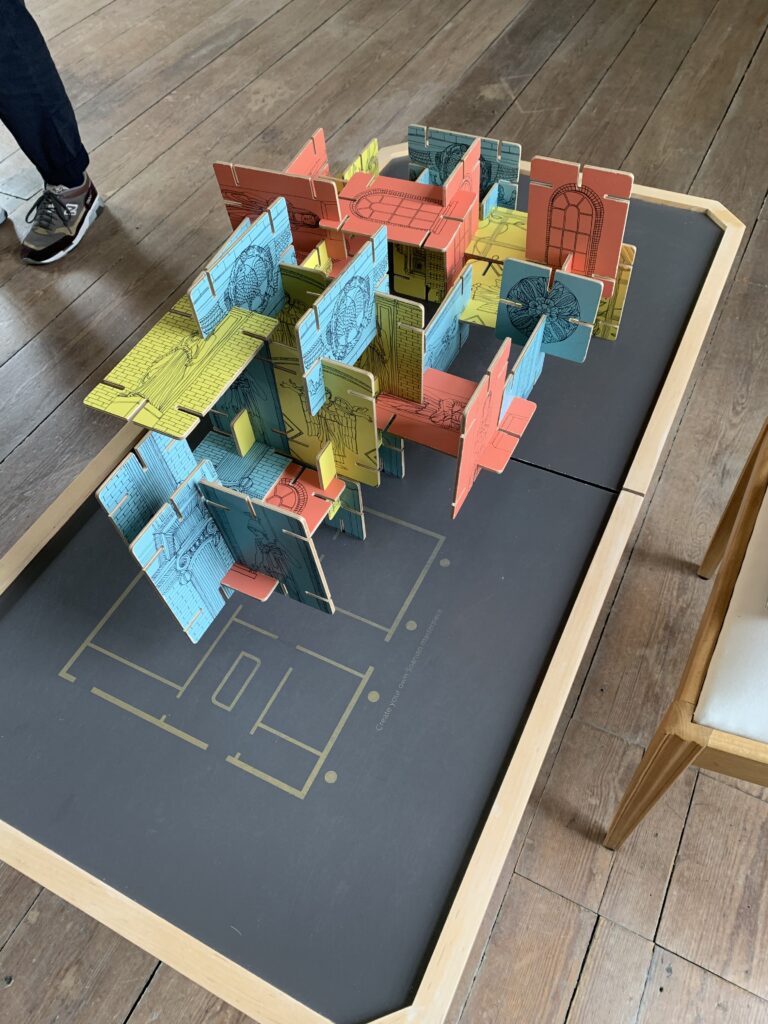
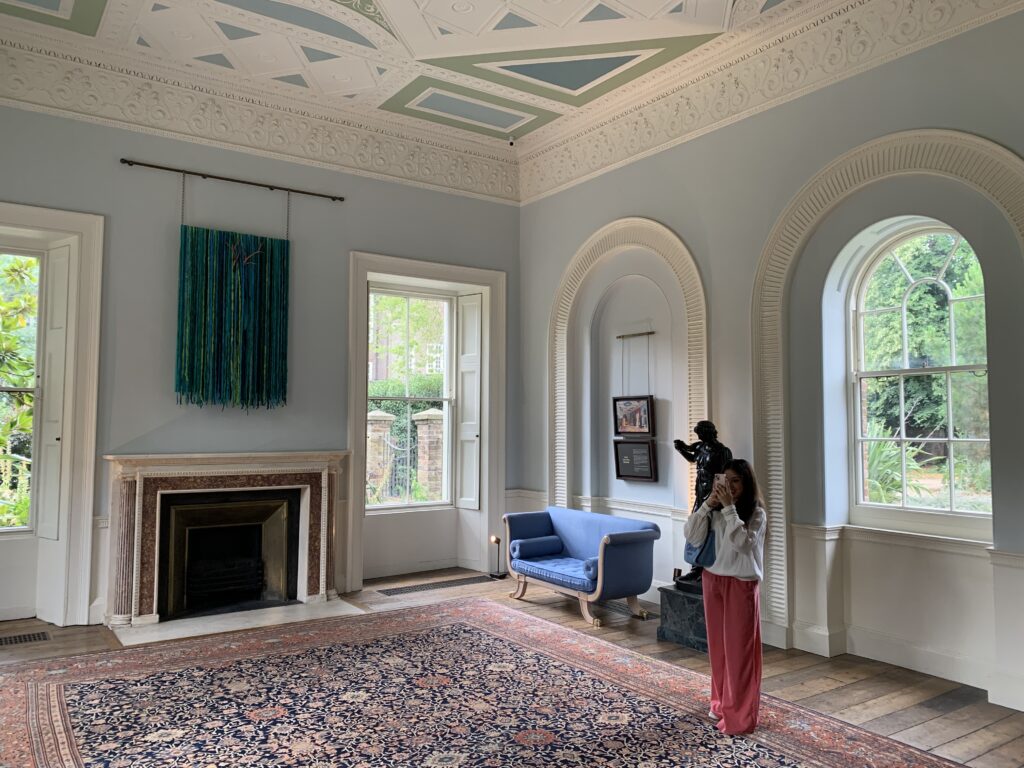
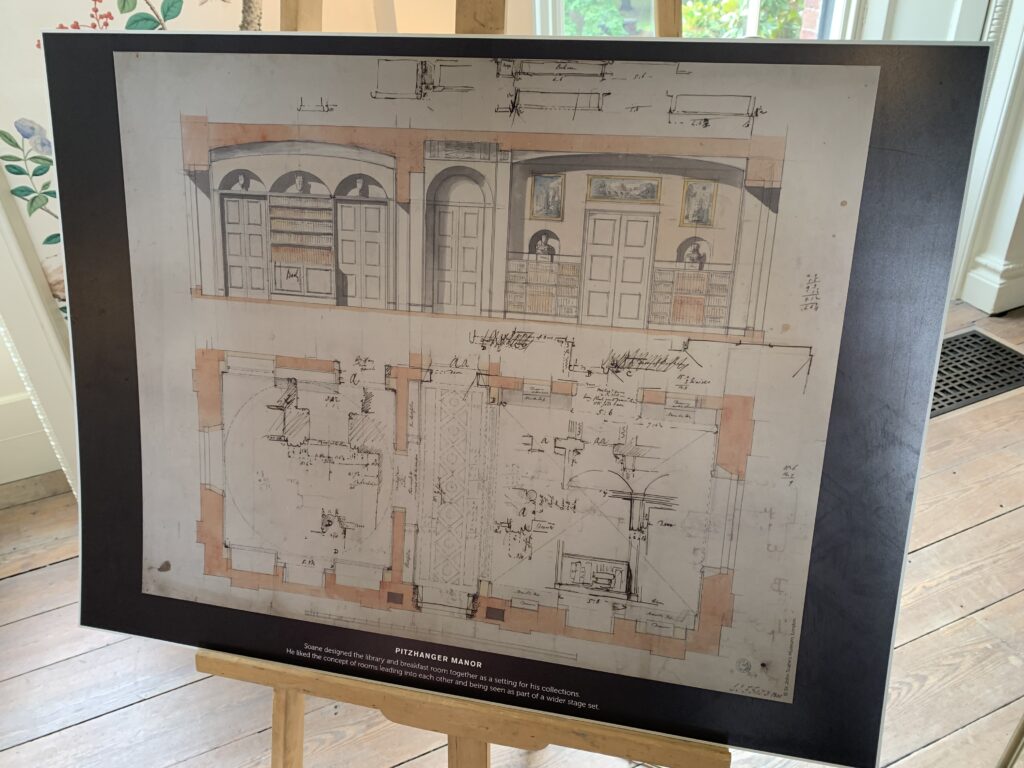
As part of a workshop we would have with an artist, we also had a tour of the Pitzhanger Manor and Gallery where the workshop would take place. The building came into formation in the late 1700s, but it wasn’t until John Soane was brough on to work on the manor house as an architectural apprentice.
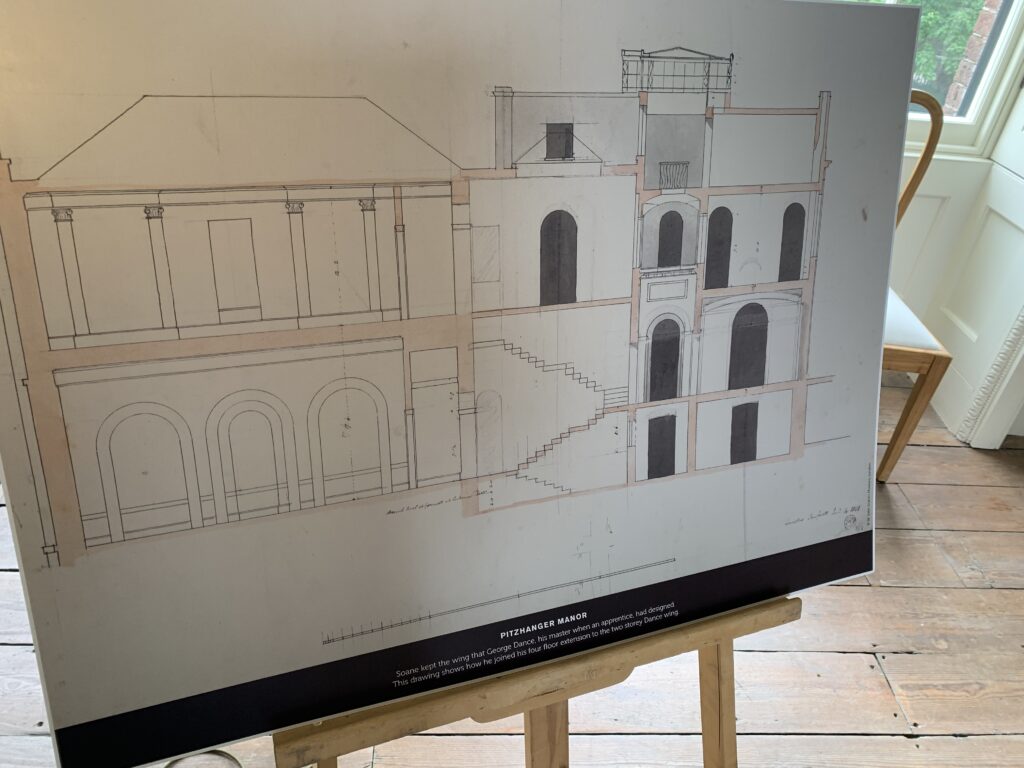
Once Soane had become an influential Architect, one of his most impactful being the Bank of England, he bought Pitzhanger in 1800 for £4500. In his ownership, much of the original building was reworked, apart from the extension he worked on as an apprentice. It became an exemplary showcase of his talents and thus would often invite his clients to the manor.
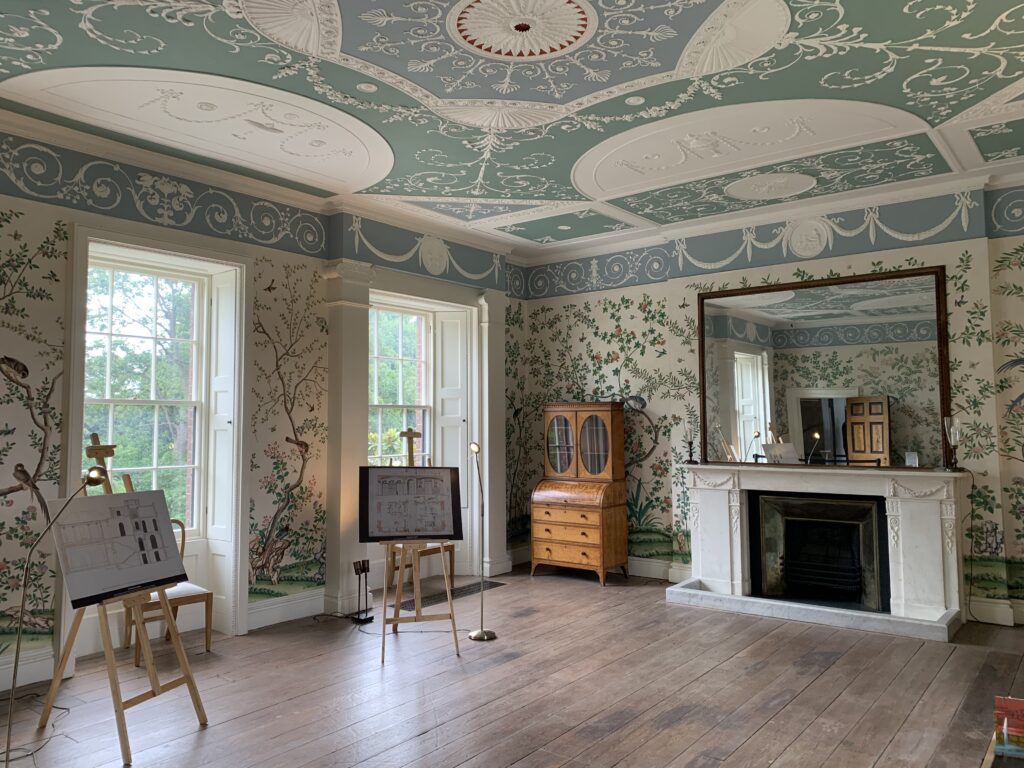
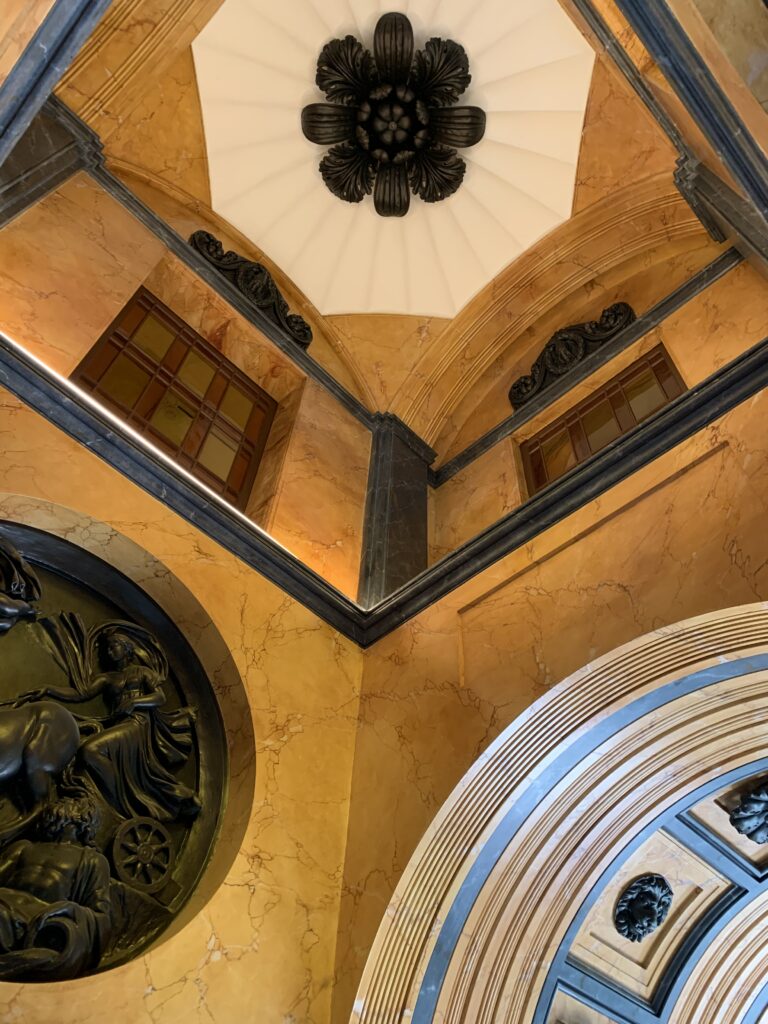
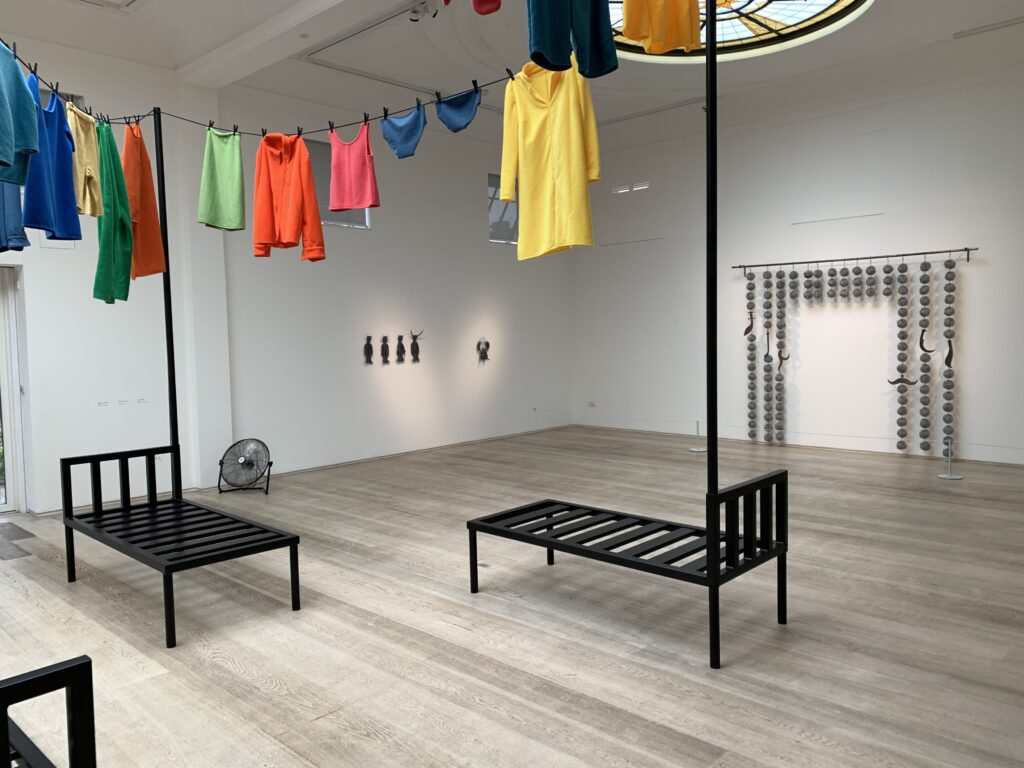
Today, the building remains as that, an example of regency era architecture. However, evidence of his work on Pitzhanger can be found throughout the manor, as well as other art exhibitions and community facilities.
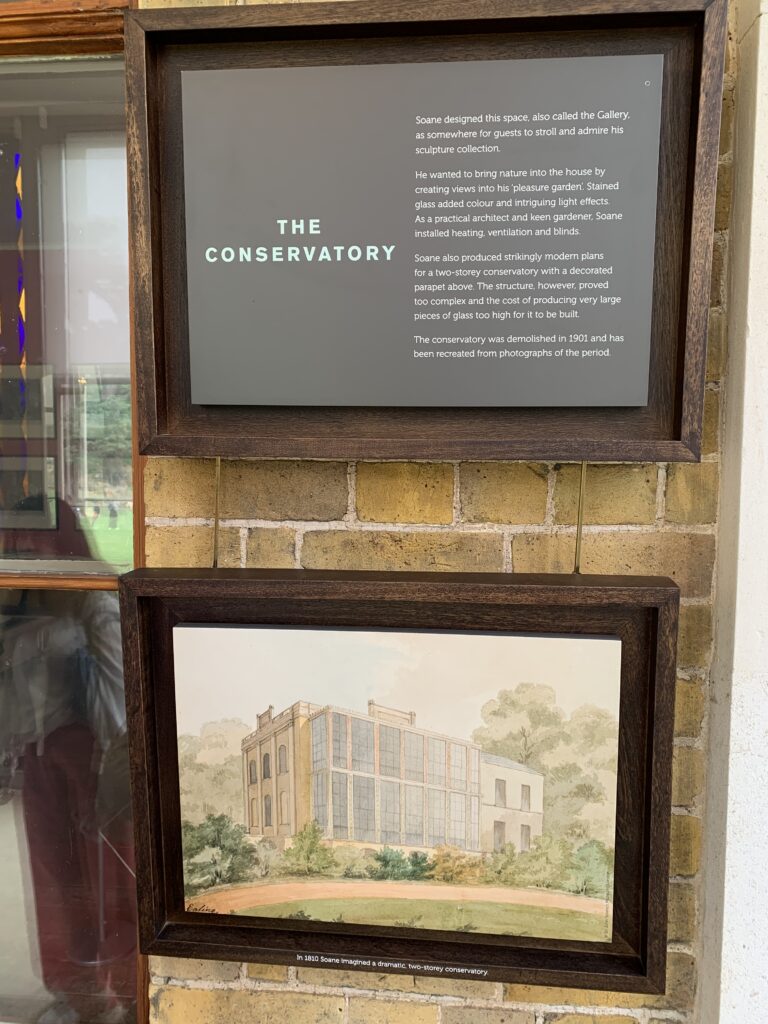
One aspect of the archived material that intrigued me was the conservatory. Soane had designed the conservatory which appeared to be vastly ahead of its time. His aims were to allow nature into the manor and for people to appreciate manor’s sculpture collection.