
Graduate Destinations Survey
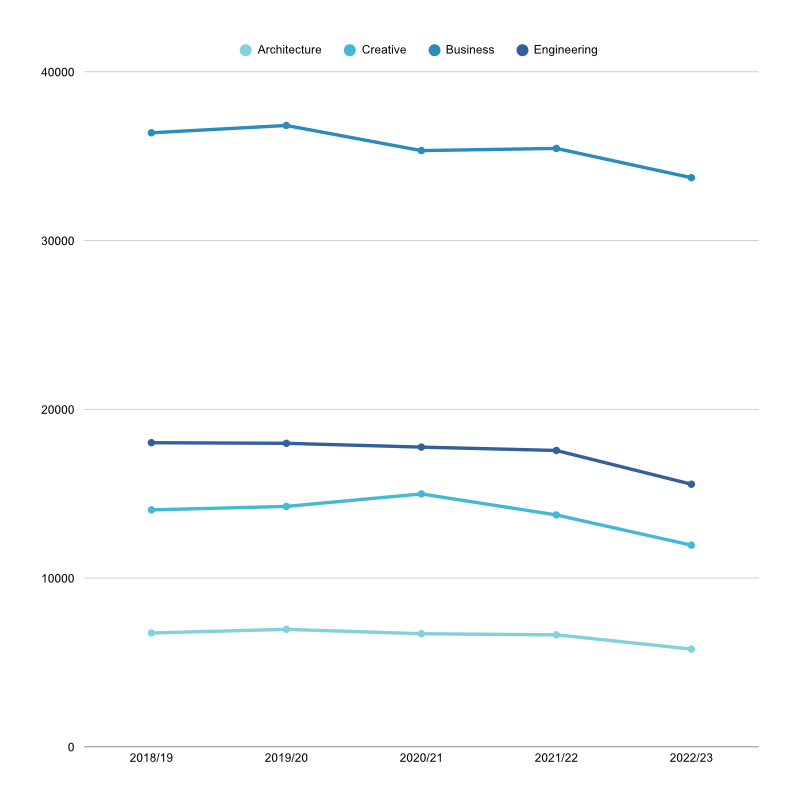
Figure 1 shows the number of university graduates and their educational disciplines who were in full time employment over the course of 5 years. In all cases they show an overall downward trend in employment from 2018 to 2023.
It’s also important to note that in years 2022/2023, 86% of graduates were in some sort of employment. This is in decline from the previous 2 years and is comparable to pre 2020 pandemic numbers.
In addition, more people completed the survey recently than in prior years, however the ratio of non-responders have increased. What is the reason for this? What does it say about the people responding to this? Could the method of outreach be different?
(Data sourced from https://www.hesa.ac.uk/data-and-analysis/sb272/figure-10)
Job Vacancies
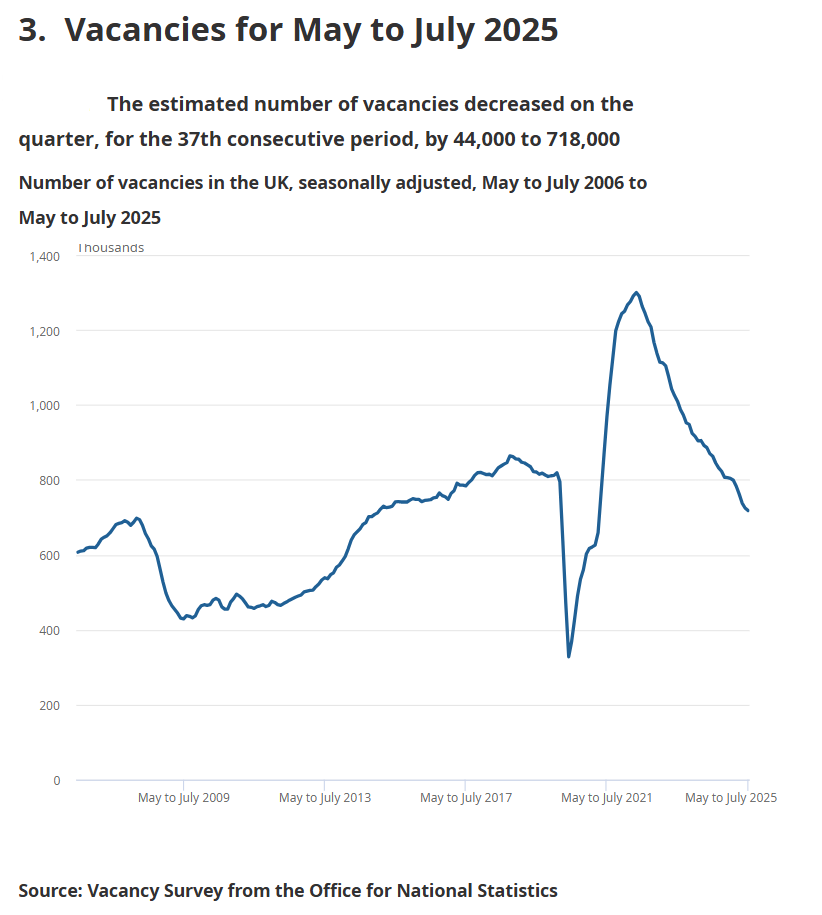
To compare and contrast with the university graduate’s statistic, This graph from the office for National Statistics shows job vacancies across the past two decades.
It is important to focus on period around 2021 on both graphs as figure 1 illustrates creative industries experienced a significant increase of employment compared to other graduates other fields, while figure 2 shows a sharp spike in employment after an unprecedented decline in opportunities.
At present, figure 2 suggests that we have lower job vacancies now compared to before the beginning of the pandemic.
(Vacancies and jobs in the UK – Office for National Statistics)
Architect as a Protected term
As part of research for my business’ values and aims, I wanted to focus on the fact that Architect is a protected term. Throughout history, people have been designing buildings, but in today’s context the first ever humans who built the first ever homes may not be able to call themselves architects.
Eleanor Joliffe puts in her article about the history of the title, “In 1938 a second act was passed protecting the title “architect”, achieving closure of the profession and, in the eyes of some, defining architecture as a technical profession and no longer a fine art.”
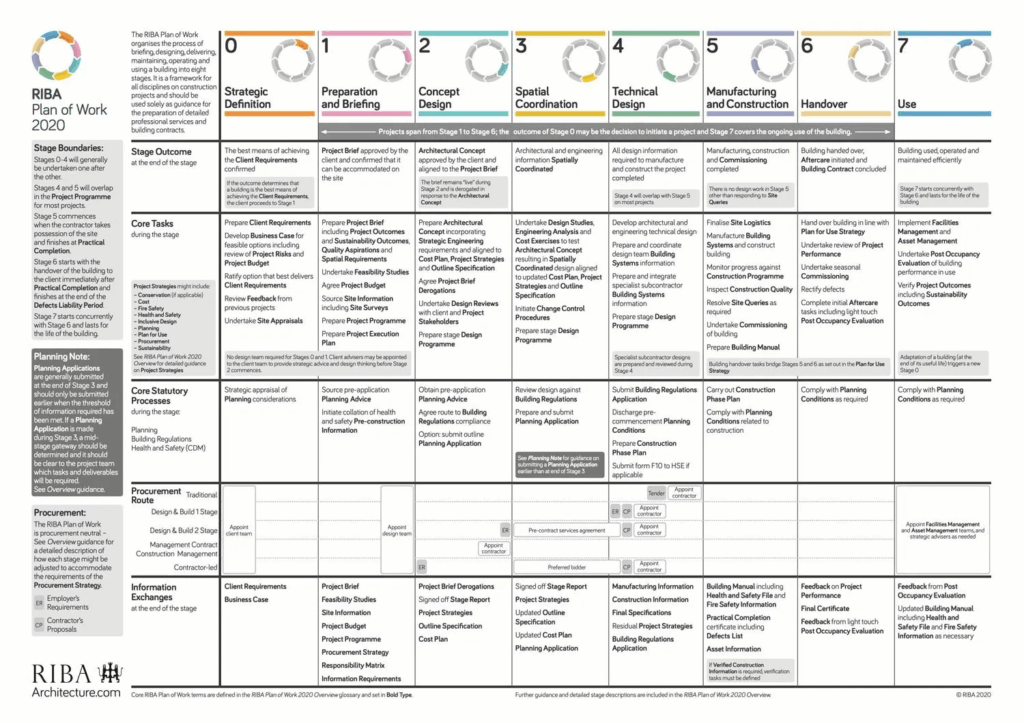
As Architects became a profession, so did their workload. Now in practice, creative and technical design work is only 2 of 7 stages in the RIBA plan of work. This is a glaring disparity compared to studying architecture, where the creative and technical course work comprises the majority of education, to experience the full plan of work one must be in practice.
That brings me to the cognitive dissonance with Architecture that my design practice business aims to answer: Architecture is a creative field, in both conventional artistic ways and unconventional pragmatic problem solving ways. And while I agree Architects as a profession should have a degree of protection as a title, I think it limits cognitive potential within young designers. Therefore, through my practice, it is my aim to liberate the architect from within, as I believe we all have the ability to make informed decisions for us
Using the title ‘architect’ and whether to stay on the Register: FAQ’s
A short history of protection of title | Opinion | Building Design