Categories
Uncategorised

Journey< long before time had a name

Research

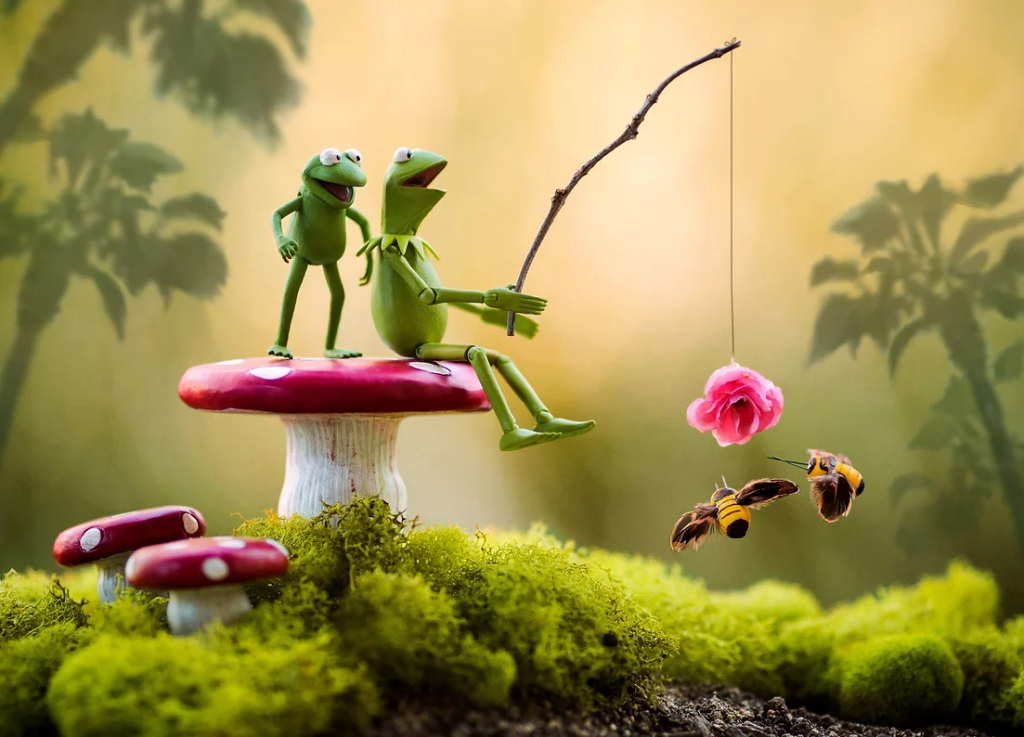
The first photographer I’m researching is called Mitchel Wu. Based in Los Angeles he works with toys and figures in miniature photography to create scenes and stories. He aims to bring emotion where non is present and give an “unparalleled experience” for his clients. He’s done work for Disney, Hasbro, Mattel, Crunchyroll, Warner Bros and several other companies. He’s also a public speaker. He seems to create his own sets to make the toys seem bigger than they actually are.

From https://www.mitchelwutoyphotography.com/gallery

Re-worked research

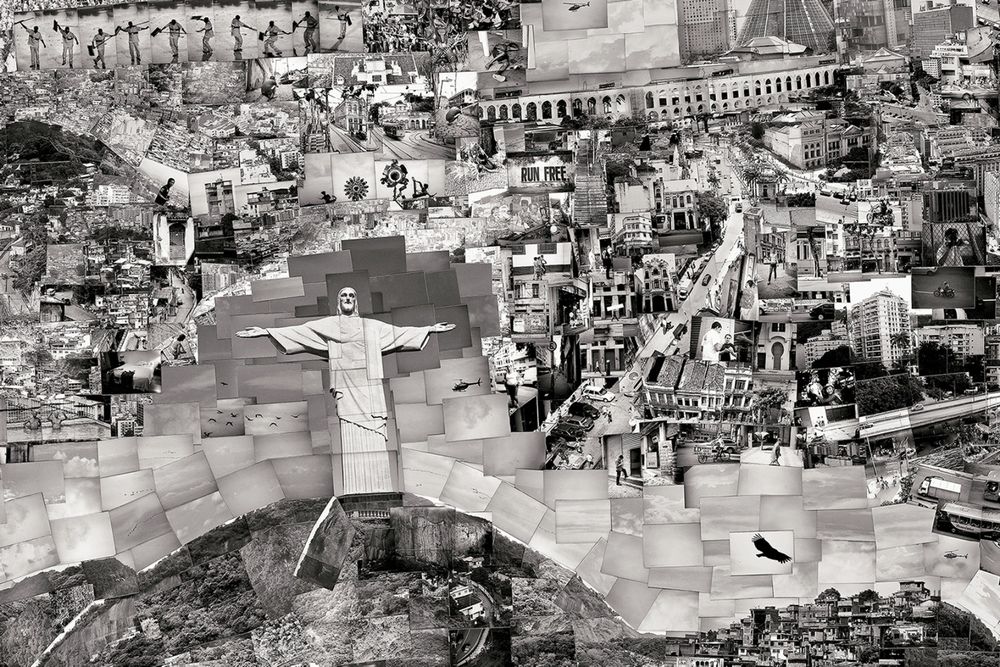
after reworking my idea I have found a new photographer to research, his name is sohei-nishino, a photographer that creates dioramas of different images, typically creating maps of locations creating a sort of birds eye view of a location. Now I’m wanting to do a similar thing of layering the different images I have to create a shape.

Image from https://soheinishino.net

Preparing for photoshoots.

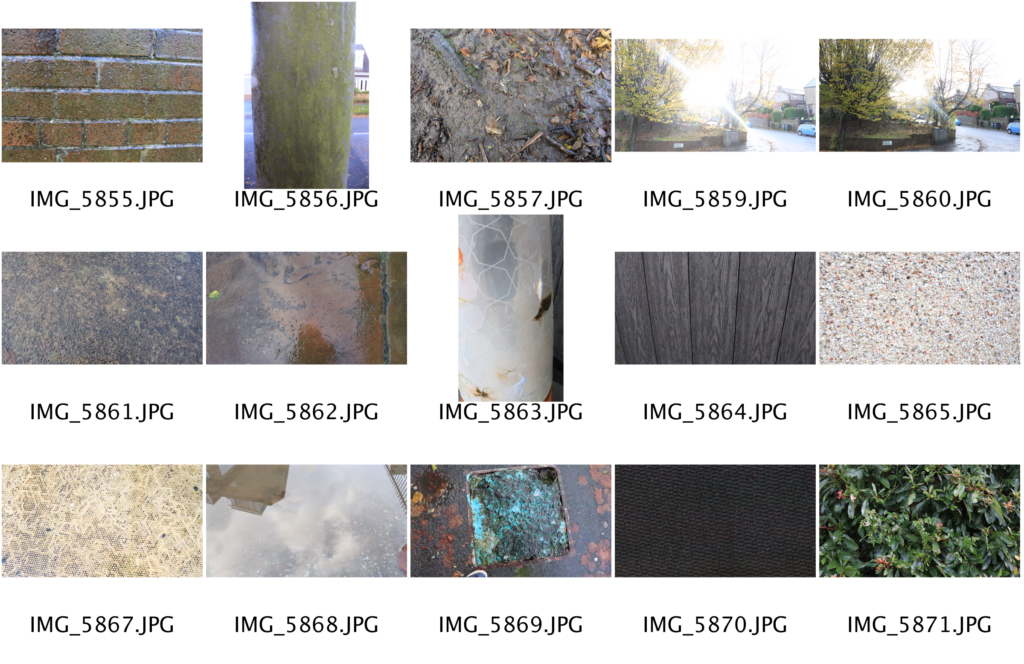
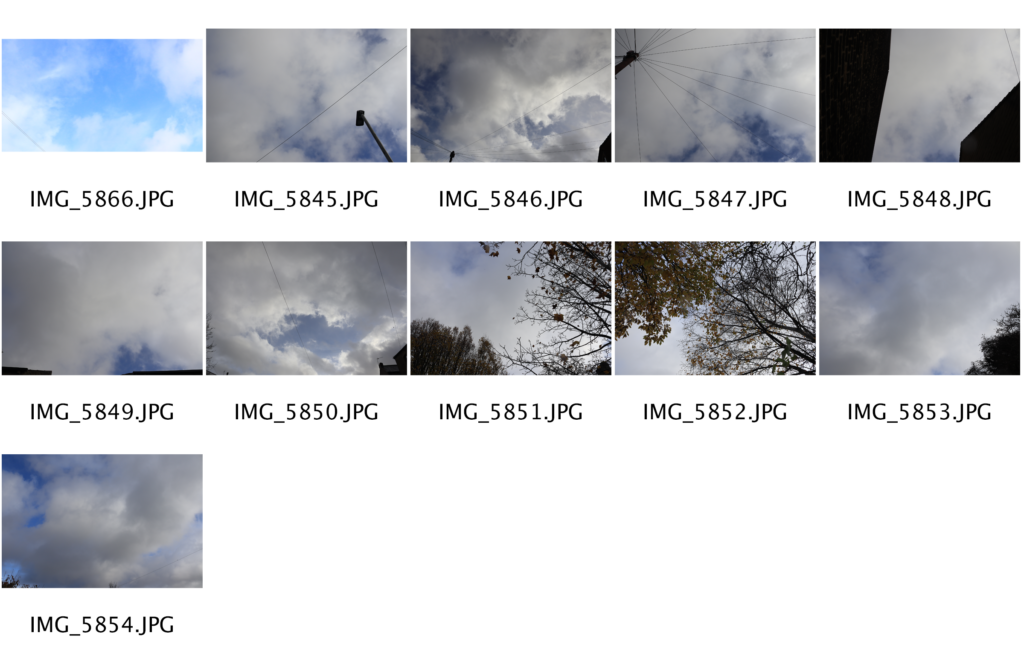
These photoshoots were for textures I was going to use to overlay as practice for my final shoot however unfortunately I never did.

Hockney joiner.

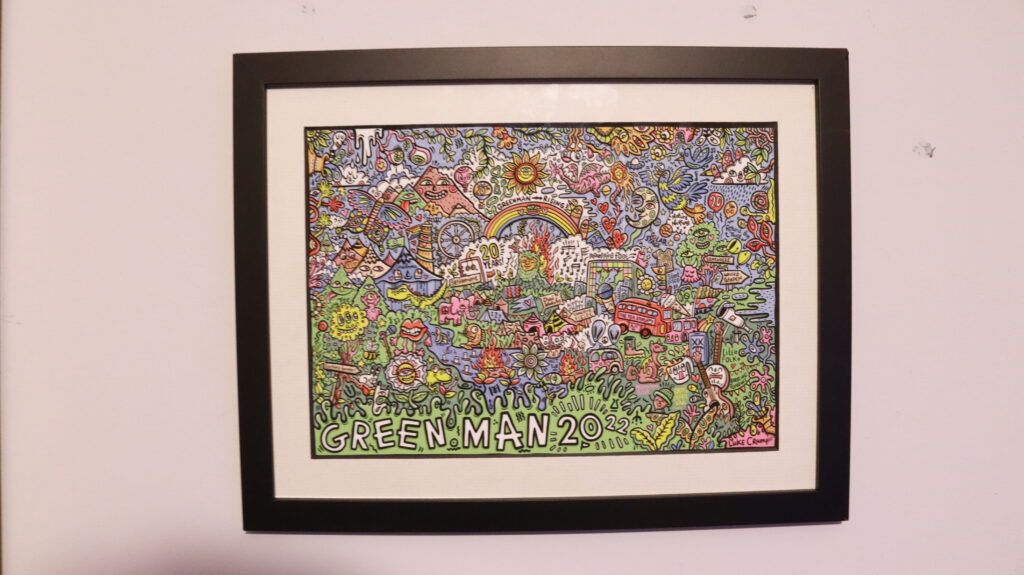
For my Hockney joiner piece I will be using a painting at my home, I think that the design can result in a very interesting final result.

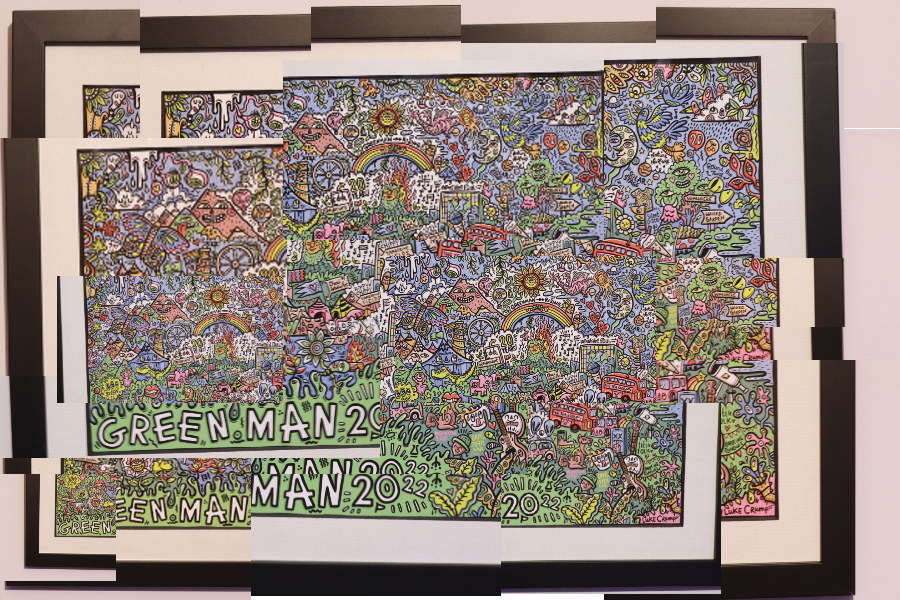
This image is my focus, the intricate designs being overlapped seems like an interesting concept, I’m hoping my vision can become a reality

Honestly I am really happy with how this turned out, it still has the look and outline of the original but still has that jumbled and distorted look of the Hockney joiner genre of image.

Locations of interest

Glanmsuk

Ilkley-Cow and calf

henham park

lulworth castle(?)

To make the shoot easier on my part and honestly look better I will be using an atlas and taking photos of the locations with an item of significance with the location

Above is a failed photoshoot, I got the proper location however I unfortunately did not use a tri-pod so the images ended up blurry and unusable.

Above is the successful photoshoot, I corrected my mistake and actually used the tripod as I should’ve causing the end result to be some good quality photos I can use

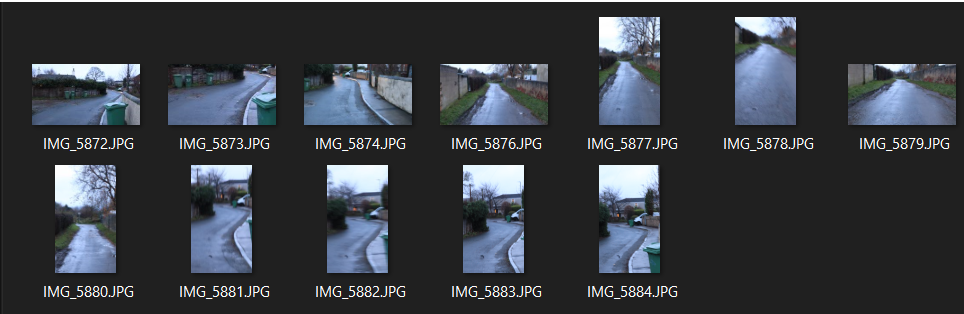
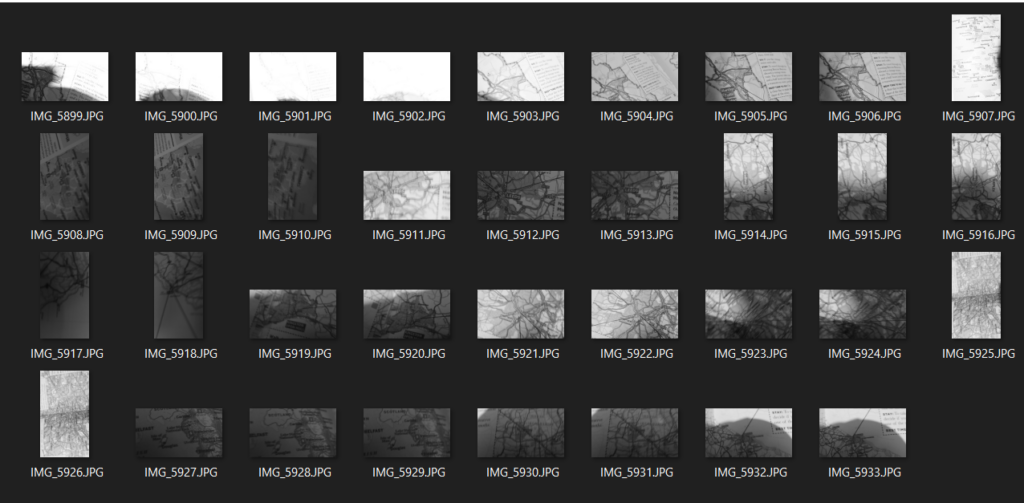
Above is a photoshoot of an atlas that I did. I chose to do it in monochrome to fit with sohe’s work given that is also primarily black and white. my intention with these images is to layer and warp them onto one of the road images from my previous shoot. I would’ve really liked for these photos to come out better however with my camera screen broken I am at a disadvantage

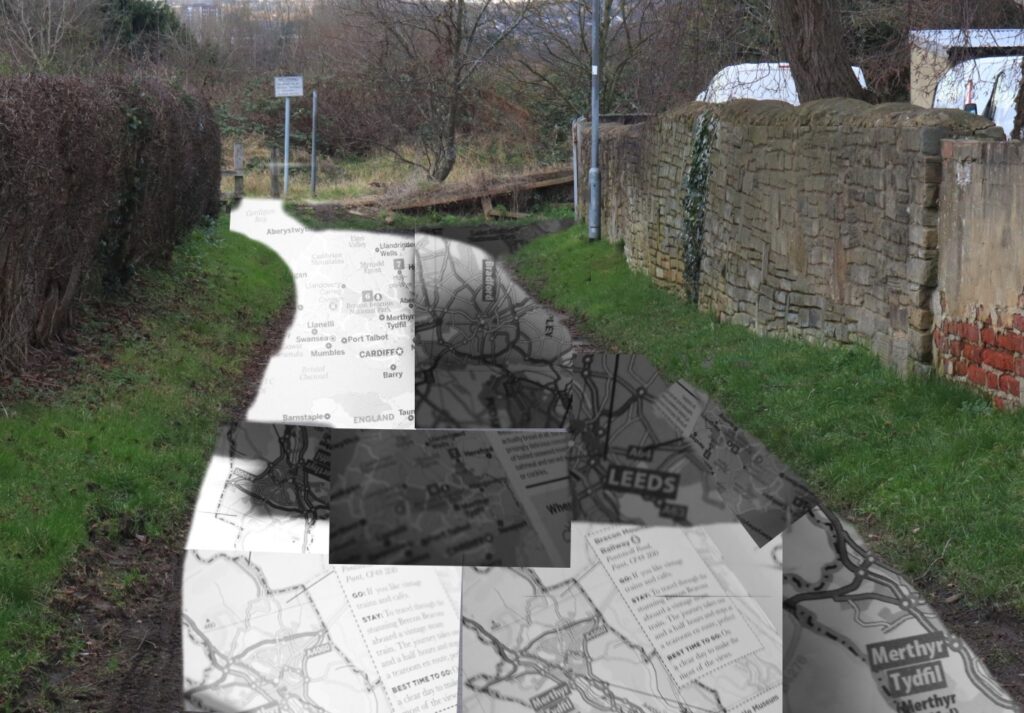
This is my final piece. I’m mostly happy with it, especially the base image but I just wish I had more verity with the map pictures but given my limited recourses and broken camera I’d say I did fairly well. If I were to do this again I’d make sure I was working with a fully operational camera for one, but I’d use a proper macro lens for a better zoom quality as well as using just a map or a bigger atlas, as well as expand outside of the UK.

Categories
Cloud News

Home Cloud Ecosystem

cloud ecosystem

Companies can use a cloud ecosystem to build new business models. In cloud computing, the ecosystem consists of hardware and software as well as cloud customers, cloud engineers, consultants, integrators, and partners. The consumer does not manage or control the underlying cloud infrastructure including network, servers, operating systems, or https://e-beginner.net/what-is-cloud-storage/ storage, but has control over the deployed applications and possibly configuration settings for the application-hosting environment. Cloud platforms can enable organizations and individuals to reduce upfront capital expenditures on physical infrastructure by shifting to an operational expenditure model, where costs scale with usage. This guide explains what a cloud ecosystem is, why it matters, its key components, benefits, challenges, and best practices for organizations looking to optimize their cloud strategy. These customers (the millions of business owners who pay for Salesforce subscriptions) would be the end-users.

In the cloud ecosystem, APIs are what make interoperability possible. These companies operate the massive global data center networks that supply the raw compute, storage, and networking resources most organizations depend on. It is a layered, interdependent environment where hyperscale providers, open-source frameworks, APIs, containers, and automation tools work in concert to support how modern software is built, deployed, and scaled. It is an interconnected operating environment made up of platforms, frameworks, APIs, automation layers, and service models that collectively support how modern software is built, deployed, and scaled. IPaaS allows you to share instances among members, eliminate the overload, and minimize costs while expediting the use speed. The iPaaS creates an instance each time an individual accesses the software.

cloud ecosystem

Software companies can use iPaaS solutions as a way to create connections between applications. Then, the integration automation platform also known as next-generation iPaaS is the best solution to cure past headaches created by integration chaos with a streamlined single integration hub. With iPaaS, businesses can create an aligned, collaborative, and integrated tech ecosystem with clean and reliable data.

Cloud Modernization Services

Especially the company level is currently of great importance as a multitude of companies are announcing plans to build an own platform ecosystem. A business ecosystem represents, in general, a pertinent scope for systemic innovations, where different interrelated and interdependent companies cooperate to deliver customer solutions (Adner 2017; Peltoniemi and Vuori 2004). The Data Distribution Neighborhood provides for data consolidation in (for example) OneLake, and for all manner of “downstream” data distribution such as search, APIs, data warehousing, analytical workloads, and use in AI-driven scenarios. This creates a cycle where community innovation feeds commercial offerings, and commercial investment funds further development. Stripe, the payment platform, built its entire business around a set of APIs that developers can embed into any application.

Cloud Ecosystem – The connection between Cloud Accounting, Payroll Software, and Dropbox Business

  • Throughout the 2010s and early 2020s, hyperscalers continued to use their massive resources to scale data centers and cloud services.
  • Put simply, cloud infrastructure provides virtual representations of physical hardware and rents out those resources to customers.
  • These developers are also tasked with exploring ways Salesforce can leverage AWS’ cloud services to offer even more features or services to its customers.
  • This model is particularly attractive for businesses that want the flexibility of the public cloud alongside the control of a private environment.
  • Salesforce would be the consumer that builds its customer relationship management (CRM) software on the backbone of AWS’ cloud services.

This enables B2B companies to create end-to-end digital ecosystems, breaking silos and enhancing overall performance. APIs (Application Programming Interfaces) allow seamless integration with ERP, CRM, SCM, and custom software platforms. Salesforce, through its Einstein AI engine, allows companies to personalize customer engagement based on real-time insights. In today’s hyper-connected, fast-paced digital economy, innovation is no longer a luxury for B2B companies — it’s a necessity. Surrounding this core are technology companies, consultants, and strategic partners that interact with and build upon the core provider.

cloud ecosystem

How Do I Build Something People Want?

It is not the only myth and the unexpectedly high costs in some areas certainly also lead to companies taking some workloads back in house. As usual it all depends and although lower costs in on-demand models and a move from CapEx to OpEx are certainly often mentioned and very traditional benefits, using the cloud does not necessarily mean that you’re cheaper off. While the first (strategical decision to move towards cloud) is usually tied to an increasing focus on the business, on agility and on innovation, in which IT is asked to play a key role, the second (a cloud strategy in the optimization of various clouds sense) is the really rare part we’ve mentioned. Several CIOs mentioned it as a trigger for public cloud adoption in interviews so it seems that Office 365 has shifted the mentality in some markets where companies have been rather reluctant in that regard and now (public) cloud adoption all of the sudden seems to be at the top of the agenda.

cloud ecosystem

IPaaS mitigates misperception, inconsistencies, and data loss by building a centralized system for all the involved parties in the management. Companies also use disparate https://labverra.com/articles/understanding-google-llc-comprehensive-overview/ tools to run their businesses, iPaaS brings these tools together to increase internal efficiency and improve workflows. The iPaaS solution, therefore, creates a more efficient ecosystem for team dynamics and optimizes the customer’s workflow. IPaaS allows your customers to access all their information in a suitable place.

Semantic aggregation over millions of rows in BigQuery with AI.AGG

  • Companies are investing in unified monitoring tools and building robust frameworks to mitigate these complexities.
  • These ranges are shared across customers; keep the service’s authentication and authorization controls in place.
  • On the side of the cloud provider, despite the fact that, the cloud ends up on physical machines stored in data centers, it is much bigger than this since they provide the users with physical machines, high speed networking equipment, hypervisor and applications in order to ensure that the business is on the virtual side.
  • Many popular opinions on the origin of AWS go like this, “The original idea for the cloud came from companies renting out spared data center capacity.
  • The constraints of this type of cloud provider, such as computing power, storage and network capacity, can be dynamically scaled up or down according to a changing demand in real-time.
  • Put simply, engineers wanted to be able to integrate software features together via APIs easily.

In conclusion, the cloud ecosystem is rich in terms of its deployment models, which include public, private, hybrid, and multi-clouds, all of which meet the different needs and demands of businesses. This ecosystem enhances the ability of businesses and individuals to lease computational solutions at will, in line with flexibility, innovation and cost sensitivity in the digital frontier. This approach minimizes the round-trip time to a distant data center, enabling real-time analytics and faster response times.

NVIDIA Announces New Planned Investments in Korean Startups at the MSIT-NVIDIA AI Startup Partnership Forum

A cloud ecosystem consists of interconnected hardware, software, clients, developers, and other partners that enable cloud services. Email adoption laid the foundation for the use of a variety of tools, with each one addressing a specific need and serving as a building block of today’s approach to digital collaboration. To keep Google’s data cloud open, we’re committed to partnering with major open data platforms, including companies like Collibra, Databricks, Elastic, Fivetran, MongoDB, Sisu Data, Reltio, Striim, and many others to ensure that help our joint customers can use these products with Google’s data cloud. Giving customers flexibility to work across the data platforms of their choice is critical to prevent data lock-in. This means that Tableau and Microsoft customers can easily analyze trusted data from Looker and simply connect with BigQuery. New market entrants benefit from a better understanding of the cloud ecosystem and potential roles and role clusters they may obtain from the beginning.

The latter, along with on-premises non-cloud, is also still often used for highly sensitive data and platforms, for instance in banking or other industries where companies like to keep their data as close as possible and/or are forced to do so because of regulatory reasons. Yet, as mentioned, some companies are pulling some workloads back from the public cloud to some form of private cloud. The cloud is a popular name for this ‘cloaked’ pool of resources, which can reside in several locations and use various servers and other components, whereby the various services are delivered as one to the customer. Gartner today defines cloud computing as “A style of computing where scalable and elastic IT-related capabilities are providers as a service to customers using Internet technologies”. With cloud computing scalable and flexible IT-related capabilities are provided as a service to external customers using Internet technologies.
Categories
Uncategorised

FMP-Evaluation task 4

Complete Video

FMP

Throughout my project I would document my progress with my project onto my digital space and comparing my progress back to my original proposal. I could’ve been more thorough with my evaluation as my project went on, it would’ve allowed me to have a more thorough project.

With the evaluation I did do while working on my project helped me make some decisions on the final outcome of the video, for example what content remained in the final video like the RWBY section, I saw how the examples from my research worked and upon comparing I felt like that section wouldn’t have fit, as well as looking at my initial target audience. Although I do feel like my evaluation process throughout my project could’ve been more consistant.

Despite having issues with the production process I feel I have met my aims. I have made a video that I feel is both entertaining and inf0rmative, able to give people a different perspective. Also able to replicate the videos that have inspired me but putting my own style and take onto them.

My work in comparison to my research is like an amalgamation of the different parts I researched, taking the specific parts I researched and used the methods and styles I had researched to make my own video.

Based upon my original idea and presentation the end result is different in ways than what was proposed. I feel my original proposal wasn’t as focused as the end result, I focused on actual examples and my idea felt more refined and specific in the final result.

I feel that my video appeals to my target audience, with my target audience being based upon the target audience for my research examples I feel that since I was able to successfully replicate they style of their videos It will appeal to the same target audience.

The skills I’ve learnt over this course I feel are reflected in this project, with my audio recording skills from the podcast task, knowing which microphone to use and how to best record and edit the audio in a similar way to how I edited my podcast. As well as video shooting, getting framing and lighting correct and ensuring there’s no noise on screen. I feel that this project I’ve worked on is a good encapsulation of my skills I had before the course and the skills I was able to learn on the course and I am proud of how it turned out.

I think that if I where to do this again I’d storyboard the video, so that I’d have a loose plan of how the Finalised project would look and to be able to plan if there was anything that needed removing or adding, as well as being able to see if any more clips or images needed adding.

If I were to rate my commitment and engagement for this project I’d say it was at an 8/10. My reasoning is that this project was Important to me, I gave it as much energy and focus as I could but given things out of my control and my own focus levels there where still points where my amount of work and energy being put in wasn’t 100% and there were points in the project where I’d become disinterested.

I feel that I’ve shown a near professional level for my video editing. While there where things that could be improved upon, given the fact I had to learn a new editing software, I was able to produce a good final outcome, overcoming issues with my editing software finding out how it worked and by the end of the project being well on the way to mastering it. The final edit I’ve put out I feel is close to matching some other video essays of the same style that are on YouTube.

I believe that I have been successful in completing the task I set out to do. I feel that I concurred adversaries and issues that were posed to me along the way and was able to produce a comedic style video essay like I set out to do. I’m happy with the script I wrote, I feel it encapsulated the points I wanted to make and the way I wanted to make them. I feel my performance in getting to this final stage could’ve been better and more professional however I do feel that the way I have completed my task has sufficed for the end goal I have accomplished.

I confirm that the attached assessment is all my own work and does not include any work completed by anyone other than myself and sources have been appropriately referenced.

Categories
Uncategorised

Project 4

Categories
Uncategorised

Project 3-Studio based broadcast

Categories
Uncategorised

Project 3- Task 1

Introduction

For this project we have been challenged to create a broadcast tv show in groups of 6. I typically watch streaming so I don’t watch actual TV very often so I’m not very familiar or passionate about this genre. Doing this project could give me a new appreciation for this genre of TV as well as filling a gap in my knowledge.

The first thing I did was the independently research the different roles involved in making this genre of TV, I focused on roles I would like to fill or am just interested in.

Director– The director is in control over which camera is currently on screen as well as being in charge of what the people behind the camera do, telling the floor manager via headset.

Director for the last leg TV show, Tommy Forbes. Image from his IMDB page.

Producer-One thing producers do is secure the rights to thing, like music, clips, scripts ect. They have to hire cast and crew as well as managing them, telling them what they have to do.

Tom Gutteridge was the producer of robot wars in the 90s

Camera Operator-The camera operator will follow the instruction of the director, however the framing of the shot is typically left up to the camera operator. They have to take many things into consideration like lighting and the focus of the shot. In a studio setting the camera operator typically follows a camera script/ shot list. Camera Operator is typically under the direction of the photography direction. They’ll typically be working with multiple people in conjecture.

Camera assistant Tamsin sourced from https://www.bbc.co.uk/bitesize/articles/zjdbqp3

The equipment used by a camera operator is a camera on a fixed point.

Sources of research

http://syn.org.au/app/uploads/pdf/SYN%20Guide%20to%20TV%20Roles%20and%20Responsibilities_0.pdf

https://www.linkedin.com/pulse/what-does-studio-camera-operator-do-entertainment-industry-bisbey

https://www.studiobinder.com/blog/what-does-a-producer-do/

Categories
Uncategorised

Podcast- 4 Evaluation

To begin this project I had to consider multiple things. The first thing I did consider was a kind of podcast to base mine off of, as coming up with a completely original idea was a little out of my ball park. In the beginning I had two podcasts I was using for inspiration as well as research, distractible by Markiplier and Inform Educate and Entertain created by Sam Wilkinson, who I was able to interview. After asking people externally for recommendations I came across another podcast titled dungeons and daddies. I researched the demographics of all of the individual podcasts.

The podcast Inform Educate and Entertain was highly influential in the recording aspect with it being multiple people on a call recording. The podcast was always going to be a collaborative thing.

I finally had an idea, a Dungeons and Dragons podcast much like Dungeons and Daddies. I made a logo and plans but I was unable to get further than that as the time I was limited to wouldn’t work and I didn’t have enough people. I then started coming up with new ideas but non really stuck. In between I watched a YouTube video by a channel, Tomska and friends, that would go on to influence the entire podcast, 3 people with two lists, people and side effects and we’d go through them seeing which ones we’d let into our hypothetical apocalypse bunker.

During the Pre-production phase I filled in a form about different details regarding my project. I cam up with the name “defiantly not a rip off” which was eventually shortened to “Not a rip off”. I created several different versions of a logo and ended with an image of a cat with a mic in its mouth, based on the icon from the group I was going to do it with chat. I added an item from fallout 4 onto the cats wrist to imply the apocalypse part since fallout 4 is an apocalypse based game. I created multiple spinning wheels of the names and side effects so that I could put images of them onto my digital space. I created a beanie as example of merchandise as I peronally like beanises.

After all the preproduction I recorded the podcast which ended up being about 21 minutes. It was recorded on OBS recording software and discord to capture the call. During the recording I would’ve preferred we were a bit more co-ordinated and not shouting over each other as well as having a test to be sure the mic qualities of everyone was good.

I then moved onto editing, something I spoke about on the actual editing post, was my main goal being shortening down the 21 minute recording to 12 minutes MAX, a task I was able to complete without compromising the entertainment or pacing of the podcast. To add some sort of visual element my original plan was to screen record a 10 minute (since that was my original time frame) long song, using the time bar and adding my own name and logo over the original. However when trying to record the time bar would disappear after about 2 seconds. So instead I used a blank template, removed the numbers and edited the best I could since the images weren’t very manipulative. The main thing I did was removing awkward pauses and just me laughing as I feel it ruined the pacing of the podcast.

Overall I’m very happy with the project as a whole, especially since during this project I was struggling with mental health issues which I personally feel is noticeable apparent with my lack of motivation so all things considered I’m happy with how it came out .One thing I’d definitely do different is stick to one idea instead of flipping about between multiple different ideas. I’d also have a test recording first and be more organised with recording dates.

I confirm that the attached assessment is all my own work and does not include any work completed by anyone other than myself and sources have been appropriately referenced.

Tutor Feedback

Categories
Uncategorised

Podcast Production- 3 Production

Above is the editing software I’m using to edit and I’ll take some time to explain my Progress. While Sony Vegas Is foremost a video editing software it can also record and edit audio. While I recorded the podcast in OBS so I’d be able to capture the sound of my co-stars as normal recording software doesn’t allow for that. Using Sony Vegas also allows for me to insert the image of the Spotify overlay unlike purely audio editing software that would only allow for editing of audio and exporting as an MP3 File where as YouTube needs an MP4 format to upload, so either way I’d have to put it through Sony Vegas, this way seemed easier to me and less time consuming.

On of the more tedious tasks I’m experiencing is editing out awkward silences in the audio recording. My reasoning behind this is to not ruin the pacing of the podcast, as mid conversation pauses can ruin the pacing.

Another thing I’ve been cutting out is whenever I laugh, especially loudly. It’s again a pacing thing but I don’t think people want to hear that.

Categories
Uncategorised

Podcast Production 2- Pre-production

Title
Definitely not a rip-off.   
Summary (What is your podcast about? How long will it be? Where will it be listened to?) 
  Me and 2 other friends get given a list of people to let into our apocalypse bunker however each person will have a disadvantage. It will be about 10 minutes, but time may fluctuate. We will have 8 minuets to let people in. The podcast will be designed to be listened to on Spotify. 
Subject Specifics (Research and idea development: what topic is explored through your podcast? Does this sit within a wider genre?)   
  Comedy, there isn’t really a topic explored. My podcast is more of a game show so there isn’t much of a topic explored. There isn’t a wider genre explored  
Audience (Who would listen to your podcast, when would they listen, and what characteristics do you know about your audience through research? Age? Gender? Nationality? Are there any special considerations you need to make for your audience?)  
  16-25 year olds. Gender is irrelevant, Nationality is irrelevant. Special considerations, people that enjoy comedy and are okay with light profanity.   
Podcast format (one-to-one, solo-commentary, panel, fiction, non-fiction etc). 
  Panel, comedy    
Influences (Which podcasts have you looked at? Find podcasts that cover similar topics and discuss how they are presented. If possible, provide links to content.)  
   My influence on the format is actually not a podcast but a YouTube video from youtuber Thomas “Tomska” Ridgewell which is linked here -> https://www.youtube.com/watch?v=fO9EfJygDoE  The recording process is inspired by IEE and Distractible. 

Script: Salutations, I’m your hostess with the mosetest with my two co-stars or hosts, or whatever you’d call them. Today we’re going to be deciding who to save from the unforgiving void that is the apocalypse that certainly isn’t impending. so without further ado let’s get them gates open and choose our candidates.

[we will then go through as many candidates as possible candidates until we reach the 9 minute mark of the recording]

Well there it is, we’ve let in [list candidates] and condemned the rest to death, something I hope we’ve not done is bore you to death, if that’s the case please feel free to let me know. Thank you all so much for listening, I know it’s been a long one. Until next time I’m dragged up onto this screen It’s farewell from me and my co-stars.

Above is an image of the wheel of names that me and the people, Bren and Jazz, working on this project made. The three of us joined a call, that I unfortunately didn’t record. The way we decided on who to add to the wheel was just thinking of what would be the most funny in a situation. I chose 30 people because I wanted enough people to give us variety as well as if we went through the names fast we’d have enough to fill the time.

https://wheelofnames.com

above is the second wheel that was made for the podcast, partially made by me and the co-stars and partially by just me. Much like the first one it’s goal was purely to be comedic, thinking what would be the most comedic, especially in relation to the people we have.

https://youtu.be/4ZcR4U-dxVE
The recording of the podcast, unedited

Above is the proto-type logo. I was Originally going to use it but I added some text to it of the logo. The origins of the image is the logo for the chat that Me and the intended co-stars have. I changed it from a pipe to a microphone and added headphones to fit the podcast. The thing on its wrist is a Pip-Boy from the game Fallout 76, a game set in a post apocalyptic America, I chose it for the apocalypse theme given the theme of the podcast.

The only altercation to the logo I made was adding the title to the white void above the cat. The inspiration for the name is based on the fact that the entire podcast is based on a video I saw and wanted to replicate. The title is a joke about the fact that the podcast is a rip off of the original video, but just a podcast.

Merch option- Beanie

Categories
Uncategorised

Podcast production 1- research

There are 2 podcasts that I want to base my own on. that Being Distractible by Markiplier and Inform, Educate, Entertain by “award-loosing comedian” Sam Wilkinson.

The first podcast Distractible, produced by wood elf, features 3 people, Mark, Bob ad Wade, all 3 of them having youtube channels and being friends. The podcast features One person being the host and choosing a topic for the other 2 to speak about and whoever can make the funniest story about the subject wins the episode and becomes host in the next episode. The style is a panel show, with three people, one as host and the others as contestants. The episodes all start with an introductory Jingle and then the 3 people introduce themselves and what the podcast is about. The podcasts format is a comedic conversational interview podcast, which is evident of the more laid back conversational content of the podcast.

Inform Educate Entertain is a Game show hosted by comedian Sam Wilkinson and he has 3 different comedians on to play against each other. The contestants will play for fake roles of the broadcasting company Sam Wilkinson made up , points are assigned on how much the host, Sam Wilkinson, finds something Informative, Educating or Informative. Each episode contains 3 different rounds, round one sees the contestants link one thing to another, round two has each contestant preform a radio play and round 3 features a quick fire questions. The episodes are supposed to resemble an interview, all be it much more comedic. I have the extremely lucky opportunity to interview the creator of IEE as my mother knows the creator Sam Wilkinson and has been on the first episode of IEE. IEE’s format is a comedic conversational, educational interview, with it being a game show, those formats fit the podcast the best.

Dungeons and Daddies is the third podcast I’ve listened to and it’s influencing me a lot.The podcast is hosted by Anthony Burch as the Dungeon Master (the guy that tells everyone what to do) and the 4 players/dads are Matt Arnold, Will Campos, Beth May and Freddie Wong. The podcast is a D&D campaign of 4 dads trying to find their stolen children after passing through a vortex to a world like D&D. This podcast is slightly more explicit than the other two podcasts in terms of language and imagery. The format for this podcast is a comedic podcast theater interview with it being 5 different people in the podcast telling a story, through a Dungeons and Dragons campaign.

podcast idea brainstorm, Inspiration, Distractible, would be entertaining but would be difficult to set up. IEE, would be interesting however there will be time problems. Dungeons and Daddies, would be extremely fun and entertaining however might be short of time and people.

D&D seems like it would be really fun to make and hopefully entertaining to the people listening however I’d need to find extra people to join the recording which might be difficult. another problem would be timing since setting up the story and characters ect. would require more time than 10 mins.

A podcast that takes inspiration from IEE or Distractible would be best for the amount of people. IO think if i where to take inspiration from any part of IEE would be the 2nd round with the story. It would also fit the 10 minute time slot that we have.

Despite having multiple ideas and plans for the D&D podcast I’m unfortunately having to scrap the idea, I simply don’t have enough time or people do do what I want successfully.

Distractible: The target demographic is people aged 25-34 year olds since that’s one fo the main demographics for the creators channel. The gender of the listener is irrelevant, although since most of the creators audience is Male, 63.09%, it could be argued that’s the target.

Dungeons and daddies research: The demographic of this podcast is for people aged 18-25 as it’s a more adult podcast as well as having those ages be the typical D&D players. It could also be argued that another demographic would be fathers as that’s one massive focus of the Podcast.

IEE research: I was able to interview the creator of the podcast. I asked questions that I thought would help me as well as some that I was just curious about. Me=J Sam=S

J” What made or inspired you to start IEE?” S”A mix of things, I guess! I’ve always loved radio comedy and since I went into stand up I’ve thought the big goal would be to do a radio show, so it’s always been in the back of my mind.

” J “Was there something specific that made you start it?” S “When Lockdown came in and every other comedian did a podcast I was a bit slow off the mark, but I remembered at one point an idea I’d had pre-comedy when some mates and I were going to do a podcast. That idea was the format for round 1 of IEE but my mates weren’t up for it so it never happened. I remembered that idea and thought I’d do that with comedy mates but I felt like they wouldn’t all be up for doing 3 of those an episode, so it spun out into the other two rounds, So I think it was Lockdown and everyone else doing podcasts that made me realise I could do a radio panel show of my own without waiting for Radio 4”

J “How different is the production of IEE now compared to when it started?” S “It’s slicker! I did the first few episodes on Zoom just using a gaming headset and playing in the audio off Apple Music, which worked but was a bit faffy. I hadn’t done much audio editing before so I was teaching myself as I went. Now I use a decent mic (Samson Q2U), I’ve got a Zoom Podtrak recorder which also works as my soundboard so the actual recording goes smoother. And I’ve learnt a lot of the basics of editing (just stuff like keyboard shortcuts and bits like that) so the edit is faster – I’d say it used to take 40 hours per ep, down now to about 16, I think I’ve learned to be a bit better with my presenter’s scripts too but that’s an ongoing battle”

J “How did you come up with the dead studio audience idea?” S “I don’t really know to be honest! I realised I needed something easy to break the ice for the pre-show chit chat, and at some point the fact that the fact that nobody would be listening occurred to me as a pun on ‘live studio audience’ .Probably because QI and all those other shows have a bit of audience interaction in them, Audience getting points for shouting out answers and stuff.”

J “I really enjoyed it when I first listened to it, however I did listen to some of the recants and noticed that they’re just called an audience now, is there a reason for that?” S “So it went from dead studio audience in series 1, fictional studio audience in 2 and series 3 has a joke of a studio audience. All jokes about how nobody’s really listening, but a slight twist each time. I think to be honest dead was the best, I might stick with that for future series, I can’t think of a unique one each time!”

J “So how long do the recordings usually take?” S “Somewhere around 2 hours – normally including about 20 minutes at the start for a bit of chit chat and fixing tech problems, Some go longer, depending on how much mucking about the guests do”

J “How long do the edits take?” S “Nowadays I get them done across a weekend, so probably in the region of 16 hours”

Comedy podcasts in general: