Here are the results of my personality test:
Rational – Architects pride themselves on the power of their minds. They can reframe nearly any challenge as an opportunity to hone their rational thinking skills and expand their knowledge – and with this mindset, they can devise inventive solutions to even the most arduous of problems.
Informed – Few personality types are as devoted as Architects to developing rational, correct, and evidence-based opinions. Rather than hunches or half-baked assumptions, they base their conclusions on research and analysis. This gives them the conviction that they need to stand up for their ideas, even in the face of disagreement.
Determined – This personality type is known for being ambitious and goal-oriented. Architects won’t rest until they’ve achieved their own definition of success – which usually entails mastering the subjects and pursuits that matter to them.
Curious – Architects are open to new ideas – as long as those ideas are rational and evidence-based, that is. Skeptical by nature, Architects are especially drawn to offbeat or contrarian points of view. And if the facts prove them wrong, they are generally happy to revise their opinions.
Original – Without Architects, the world would be a far less interesting place. This personality type’s rebellious streak is responsible for some of history’s most unconventional ideas and inventions. Even in their everyday lives, Architects force the people around them to consider new (and sometimes startling) ways of looking at things.
Arrogant – Architects might be knowledgeable, but they’re not infallible. Their self-assurance can blind them to useful input from other people – especially anyone they deem to be intellectually inferior. These personalities can also come across as needlessly harsh or single-minded in trying to prove others wrong.
Dismissive of Emotions – For Architects, rationality is king. But emotional context often matters more than people with this personality type care to admit. Architects can get impatient with anyone who seems to value feelings more than facts. Unfortunately, ignoring emotion is its own type of bias – one that can cloud Architects’ judgment.
Overly Critical – These personalities tend to have a great deal of self-control, particularly when it comes to thoughts and feelings. When the people in their lives fail to match their level of restraint, Architects can appear scathingly critical. But this criticism can be unfair, based on arbitrary standards rather than a full understanding of human nature.
Combative – Architects hate blindly following anything without understanding why. This includes restrictions and the authority figures who impose them. People with this personality type can get caught up in arguing about useless rules and regulations – but sometimes these battles are distractions from more important matters.
Socially Clueless – Architects’ relentless rationality can lead to frustration in their social lives. Their efforts to defy expectations may leave them feeling isolated or disconnected from other people. At times, they may become cynical about the value of relationships altogether, questioning the importance of love and connection.
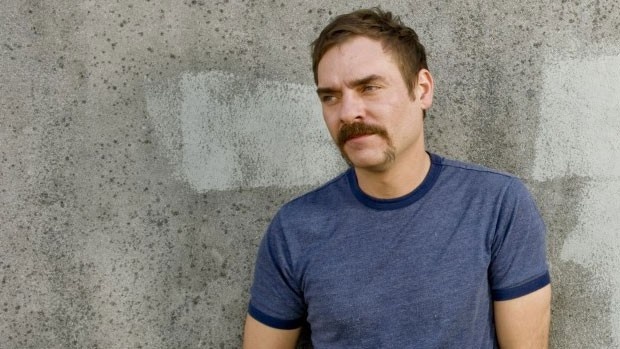
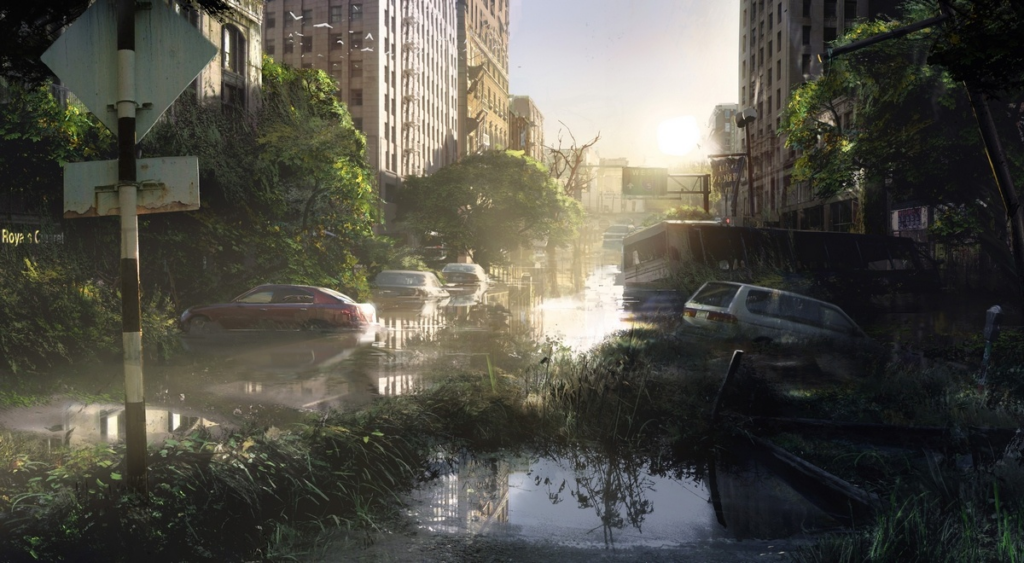
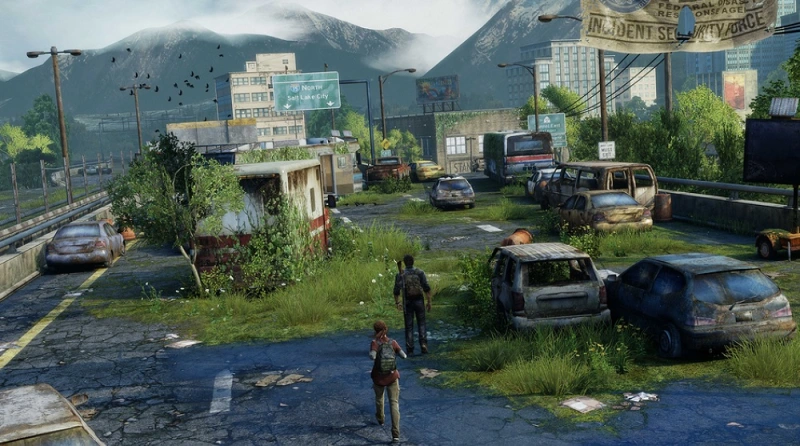
Before starting the research for my project I decided to do some research on a creative practitioner that inspires me, the person I chose for this is Nate Wells, Nate Wells was the lead art director for the Playstation exclusive video game ‘The Last of Us’, which is the game I am taking inspiration from for the development of my project, Nate has also worked on games like BioShock and Tomb Raider (LinkedIn,2022) which both fit into the dystopia genre of video game setting as well, below are some examples of his work, I will be using these as reference and inspiration in the production of my project:
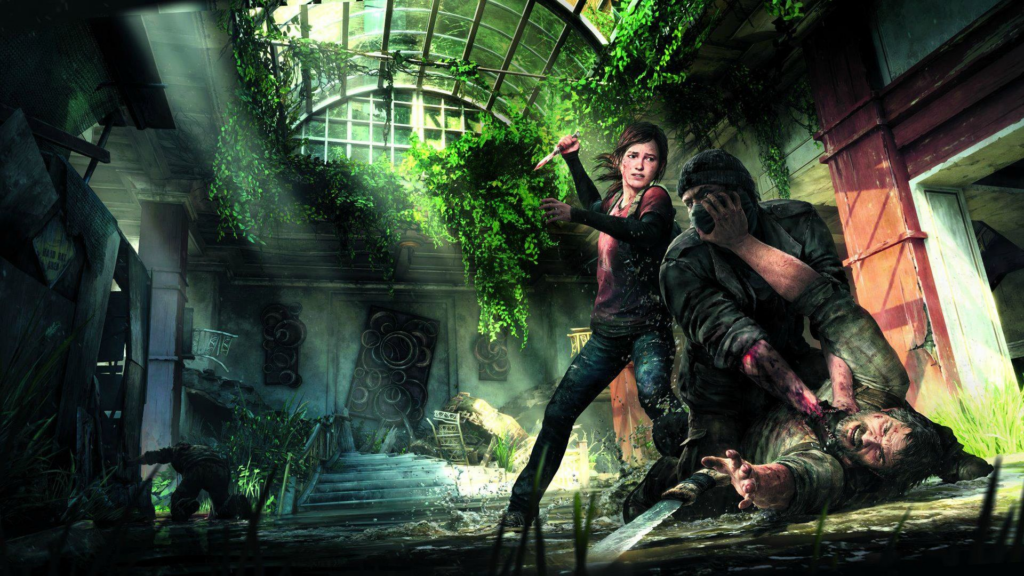
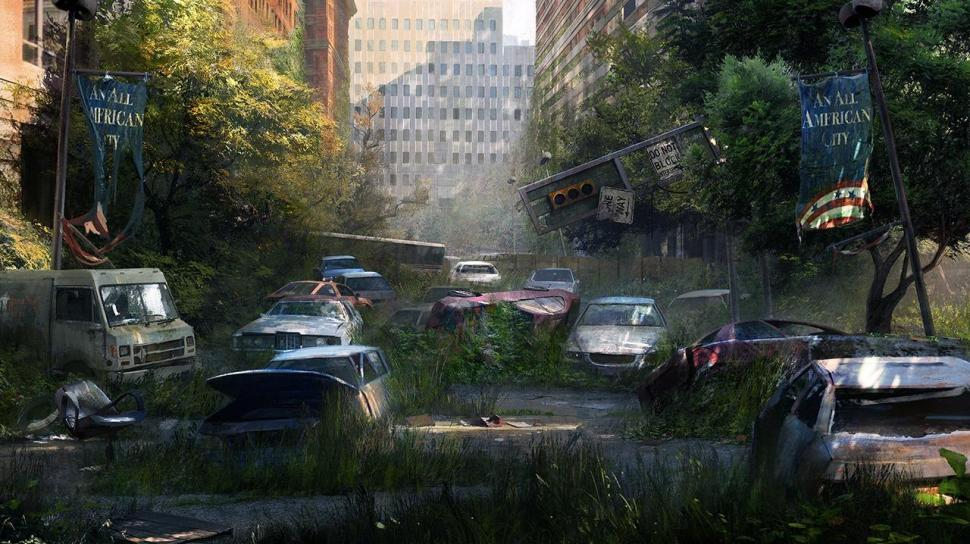
To start my research for my project, I first went to YouTube and looked for all of the different techniques involved in creating an imagine manipulation art piece, the videos I used varied from speed art tutorials to full blown breakdowns of the tools needed to create the desired image (bibliography is below).
I also did research by myself, exploring different tools in photoshop without the use of external sources from the internet, doing this helped me to find things that will make the process of creating my image quicker.
Here are the videos I used:
Danksy (2022) 13 must-know photo manipulation tips for beginners in Photoshop, YouTube. Available at: https://youtu.be/uSUpLsZTrdM (Accessed: 07 May 2023).
This video was full of useful information about perspective and lighting and how angles can aid realism, there was also some insightful information about shadows and their importance too.
Tutvid (2022) 10-step guide: Blend images and create composites with Photoshop, YouTube. Available at: https://youtu.be/g3qe4rDw1XU (Accessed: 07 May 2023).
This video helped me to understand the importance of selecting images that blend together easily, it also taught me a little bit more about directional lighting, as well as showing how scaling things can drastically effect realism.
The next videos I watched were less informational and more practical, this was to get an idea of the process/s that I would need to do in order to create my final piece:
designs, pxlart (2023) Post apocalyptic city photo manipulation artwork from scratch: Photoshop Speed art, YouTube. Available at: https://youtu.be/sxe7k73MExs (Accessed: 07 May 2023).
Studios, F. (2022) The last of US photo manipulation speed art in photoshop !, YouTube. Available at: https://youtu.be/2Z7LXTq2zas (Accessed: 07 May 2023).
Graphic, S. (2022) Photo manipulation tutorial (the apocalypse) speed art, YouTube. Available at: https://youtu.be/C4cjILW9Kdg (Accessed: 24 May 2023).
These videos are all based on the theme that I am trying to replicate in my work, it was important to watch these to understand what exactly I am going to be doing in the next few weeks, I can also return to these videos for reference if I get stuck.
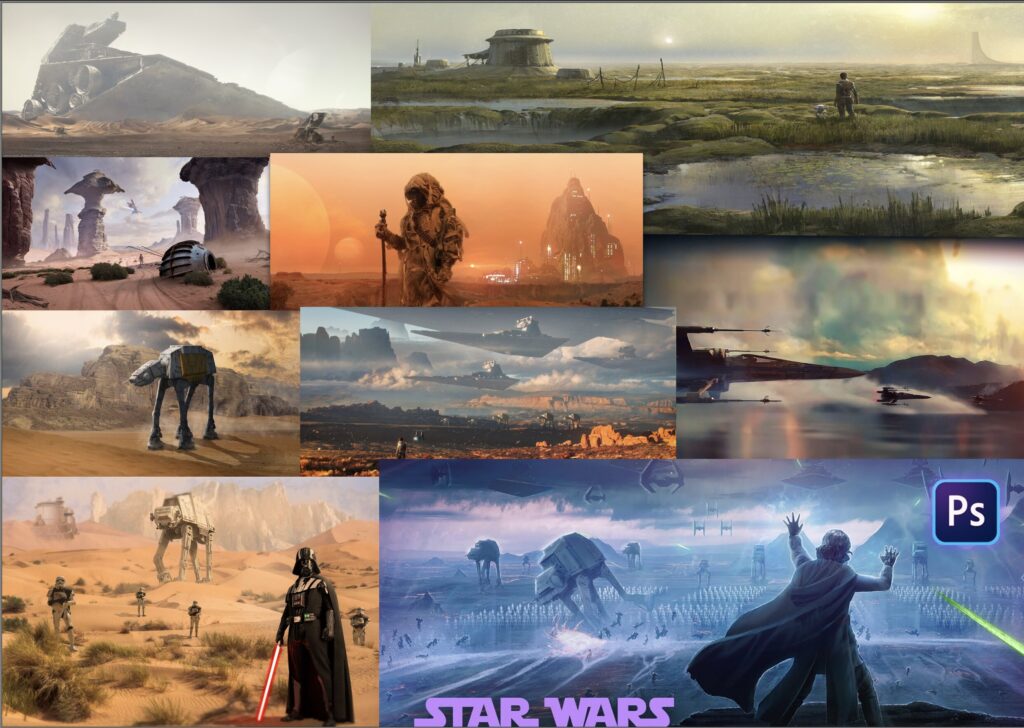
Here is an early mood board with concepts of image manipulation, these images do not all follow the same colour scheme and are just a collection of general ideas:
Here are some images that I have used for inspiration, some of these are pieces of art and others are from TV shows:
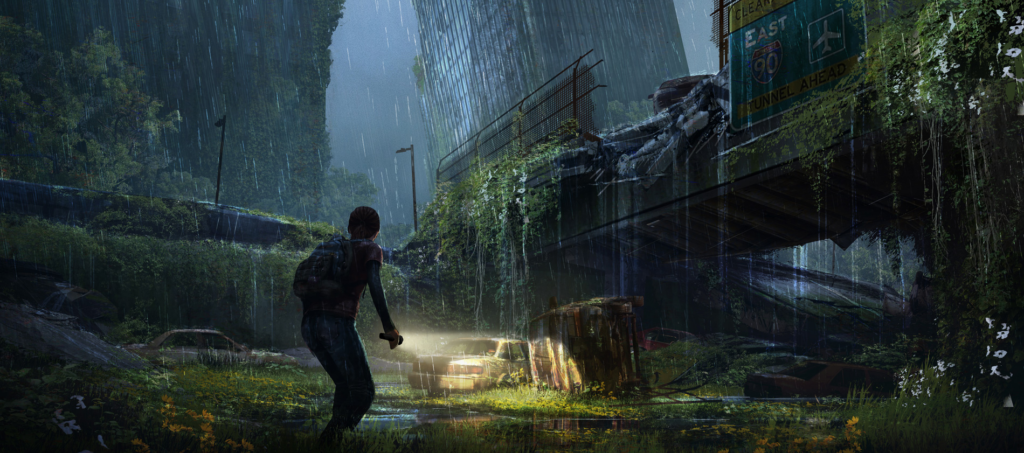
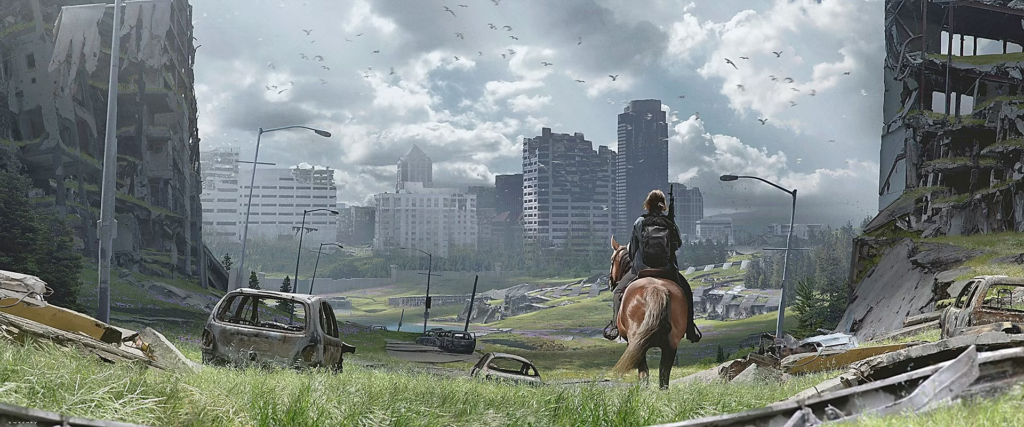
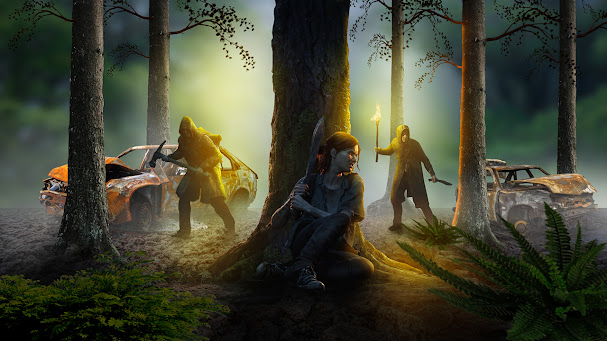
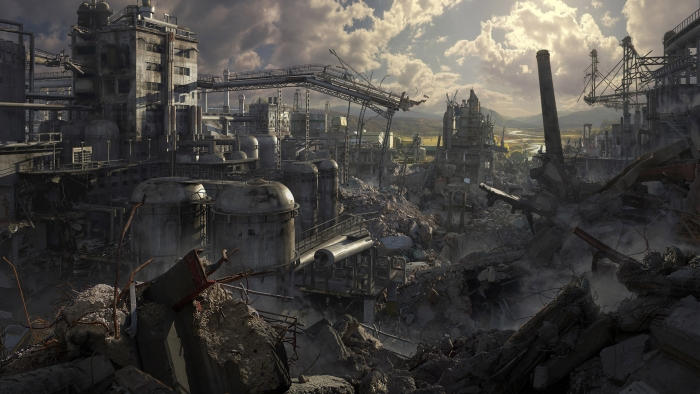
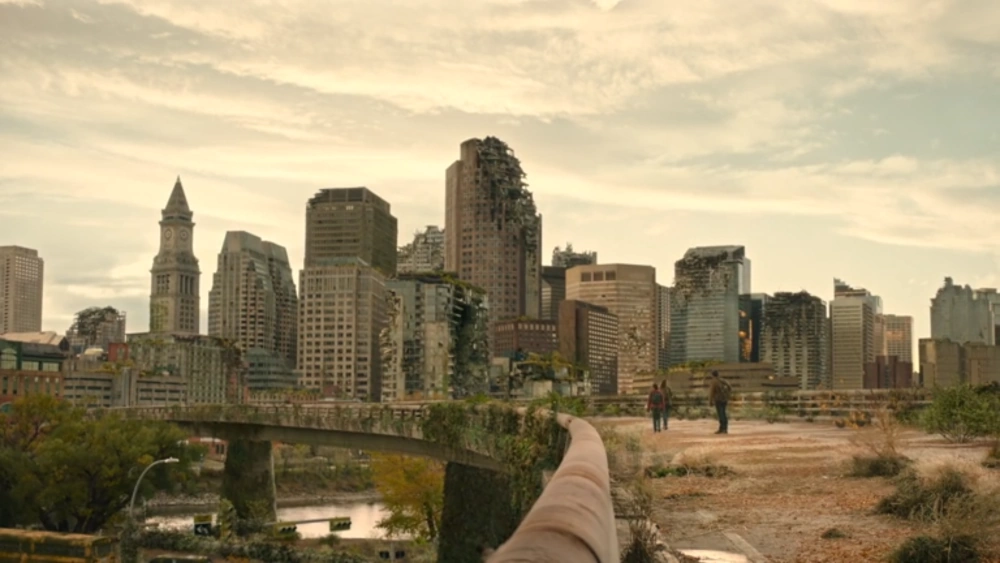
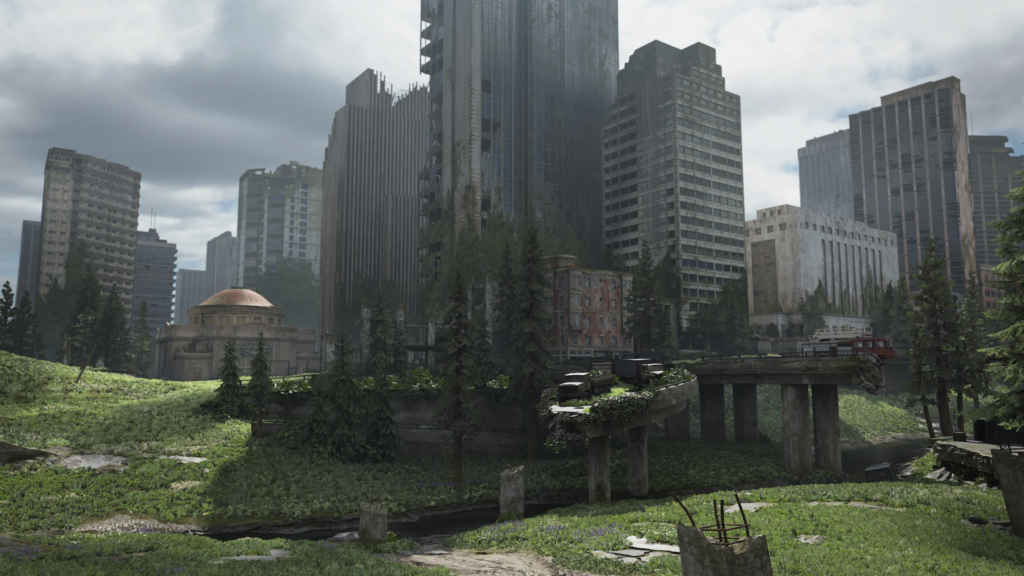
These images are all inspiring to me because they are using the colour palette that I am also aspiring to use, most of these images are also from The Last of Us TV show/video game which is what I am basing my image off of in the first place, I also take inspiration from the destruction and dystopian atmosphere that these images portray, this is something that I will be looking to replicate in my project meaning that I can use the images above for reference in the future, the cities being overgrown is also another aspect of these images that I am interested in replicating, having building with dense foliage scattered on them is an effective way of presenting the idea that the city/buildings are abandoned and thus will be useful to me for what I am trying to achieve.
I also researched some articles about image manipulation, these were much like the YouTube videos and allowed me to gain some extra perspective and also reinforced some of the tips and tools I had learned about previously:
Mulk, T.U. (2022) Image manipulation: The what, how, and why, Clipping Path Campus. Available at: https://www.clippingpathcampus.com/what-is-image-manipulation/#:~:text=Image%20Manipulation%20refers%20to%20the,image%20editing%20tools%20or%20software. (Accessed: March 27th, 2023).
Valdes-Hevia, E. (no date) Beginners Guide to photo manipulation in Photoshop | adobe, Crafting new images with photo manipulation. Adobe. Available at: https://www.adobe.com/uk/creativecloud/photography/discover/photo-manipulation.html (Accessed: March 28th, 2023).
Lebendig, U. (2023) How to do photo manipulation: Examples & tutorials, GUIDE TO PHOTO MANIPULATION: TIPS, TUTORIALS, EXAMPLES. Shotkit. Available at: https://shotkit.com/photo-manipulation/ (Accessed: March 28, 2023).
I also looked at some hypothetical locations that I would want my final piece to be shown, I decided that electronic billboards and digital galleries were the best suited places for my work:
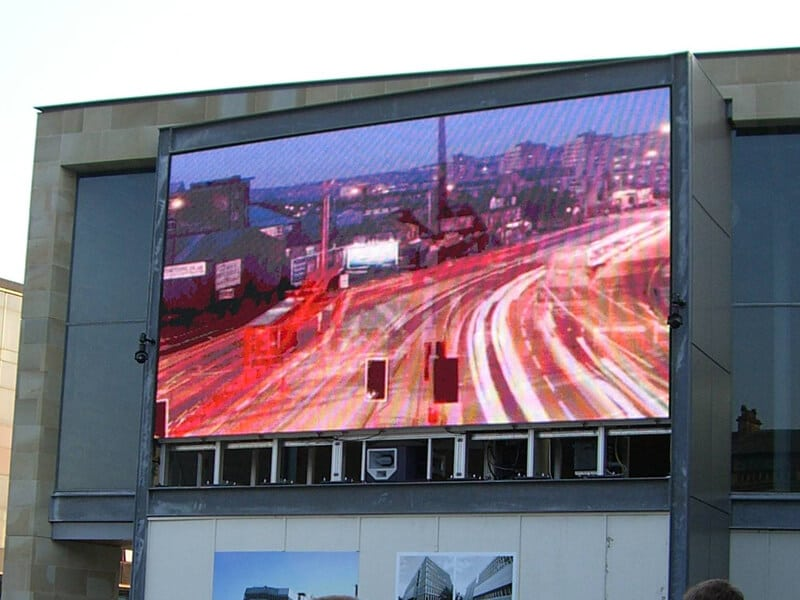
I believe that showing my work in city park on the big billboard would be the perfect location as the piece is literally based on the location that the billboard faces, it would be cool for people to be able to see a dystopian version of where they are currently walking in real time, for this reason I believe that the electronic billboard is the perfect and favourite candidate to showcase my work.
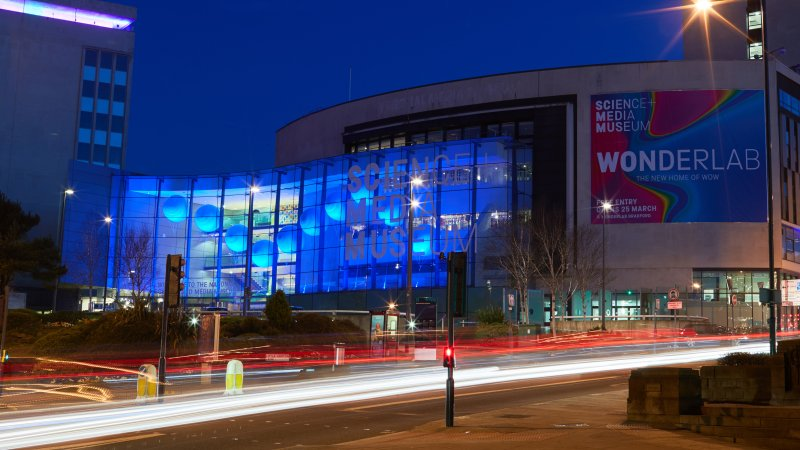
Another place that would make sense to showcase my work would be in the media museum, this is just across from where my piece is based and therefore remains local and includes the community even more than just the piece itself as people would have to go out of their way to view it instead of it just being in the middle of city park for the general public to see.
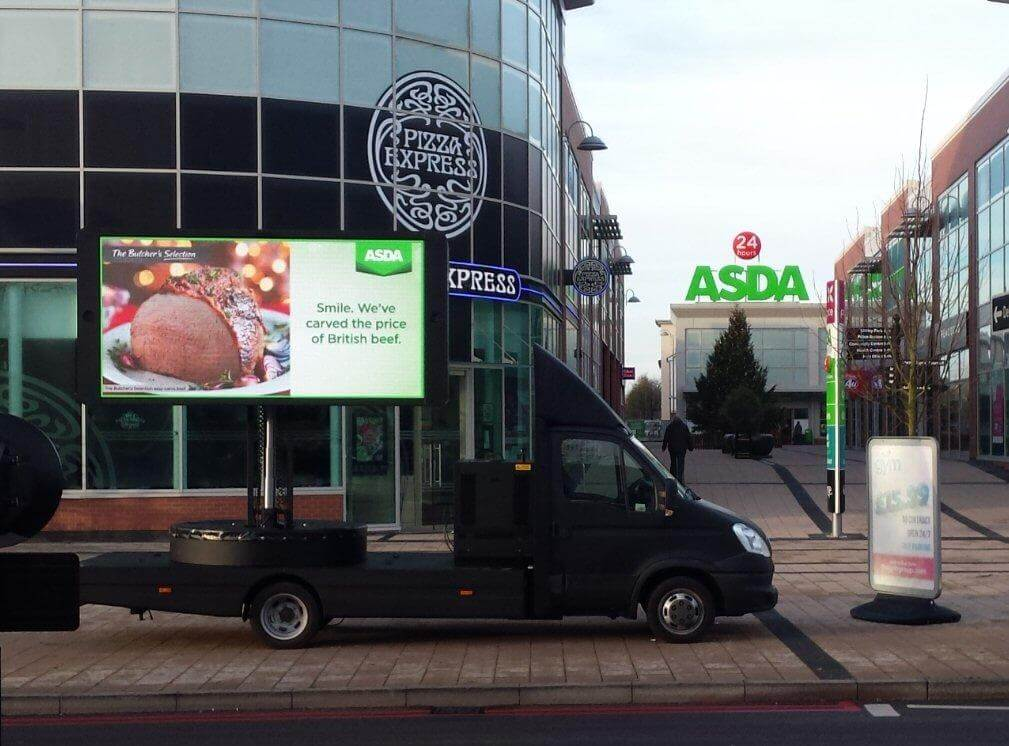
Instead of having my image placed somewhere static, I could opt for some form of mobile billboard and make my artwork reach places it may not have reached without said mobility however, this could be a strength and also a weakness at the same time as for people to get a genuine in depth view of the piece it would realistically need to be static or at least moving at a slow pace which in reality is not always possible with a vehicle, another slight drawback is that the billboard itself is smaller than previous ones mentioned above, meaning the chances are that less people will be able to view it at a given time, for these reasons I think that a mobile billboard is certainly plausible and has benefits, but should not be the preferred option if given the choice.
QUESTIONNAIRE AND RESULTS:
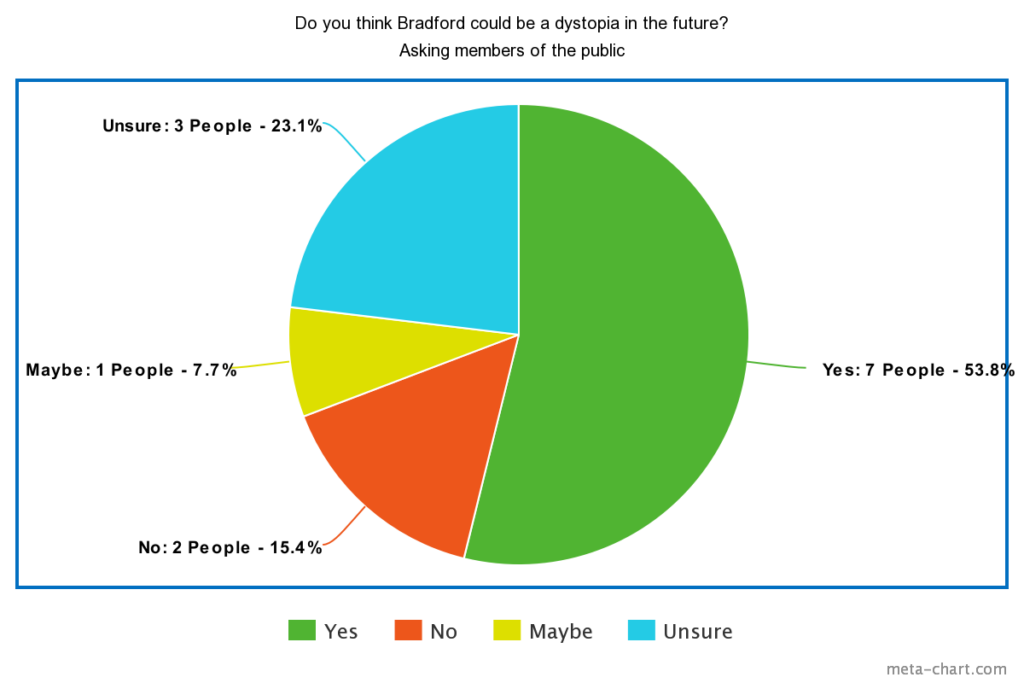
I decided to ask members of the public whether they believed Bradford could be a dystopia in the future, as you can see from my results just over half of the total people I asked (13), said they believe Bradford could end in this state, this was done to try an add some shock value and an element of realism to my piece and overall I am satisfied with the data I have collected.
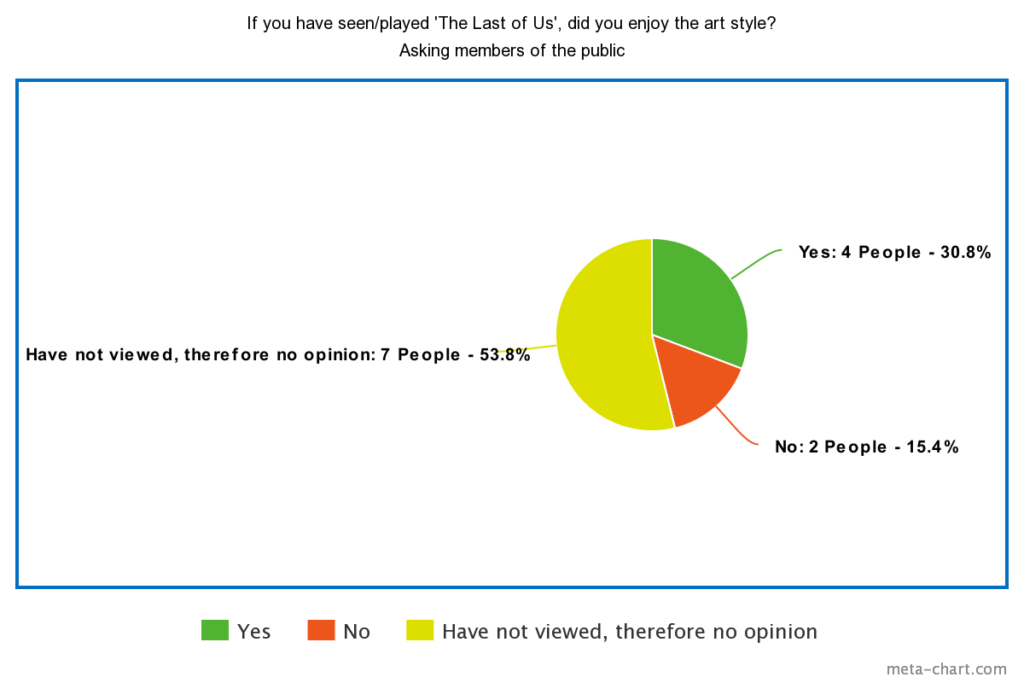
I then asked the same individuals whether they had viewed or played ‘The Last of Us’ and if so, did they enjoy the art style? Unfortunately, the majority of the people I asked about this had not seen the TV show or played the video game, this hindered me slightly as I was trying to show there is a heavy interest in the series (whether it be the video game or TV series) however, I was still pleasantly surprised that 4 (30.8%) of the people I asked did actually know the series and had a genuine interest, this gave me confidence that there are people in Bradford who would have a genuine interest in viewing my work, especially if I can mirror the art style of Nate Wells, who is the lead art director that I did my research on.