Spotlighting
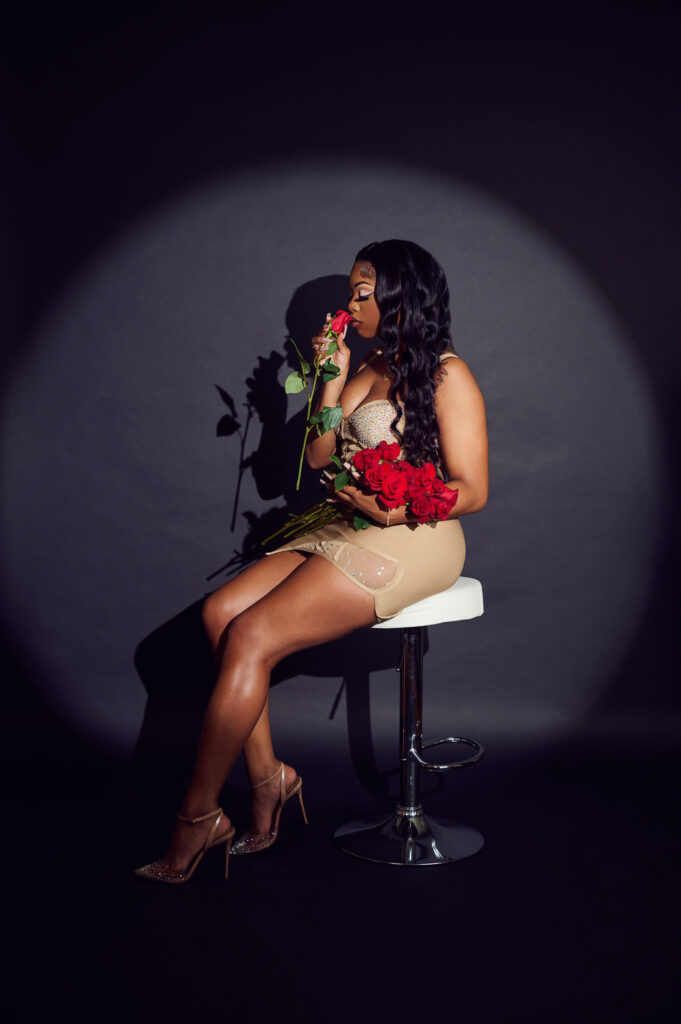
The spotlight effect creates a circular shape of light on the subject. It is reminiscent of the lighting used in plays and concerts, as well as product and commercial photography. Usually its purpose is to emphasise something and direct the viewers eye to a literal ‘spot’. Artificial lights or even projectors can be used to achieve this effect.
Saturation


Saturation describes the intensity of colour in pictures. A grayscale or black & white photo has no colour saturation, while a full colour photo of a field of sunlit flowers might be extremely saturated. High saturation can bring an intensity to an image, making it feel more vivid and ‘alive’- whereas a low saturation can dull the colours to produce a more muted and grey look.
Backlighting
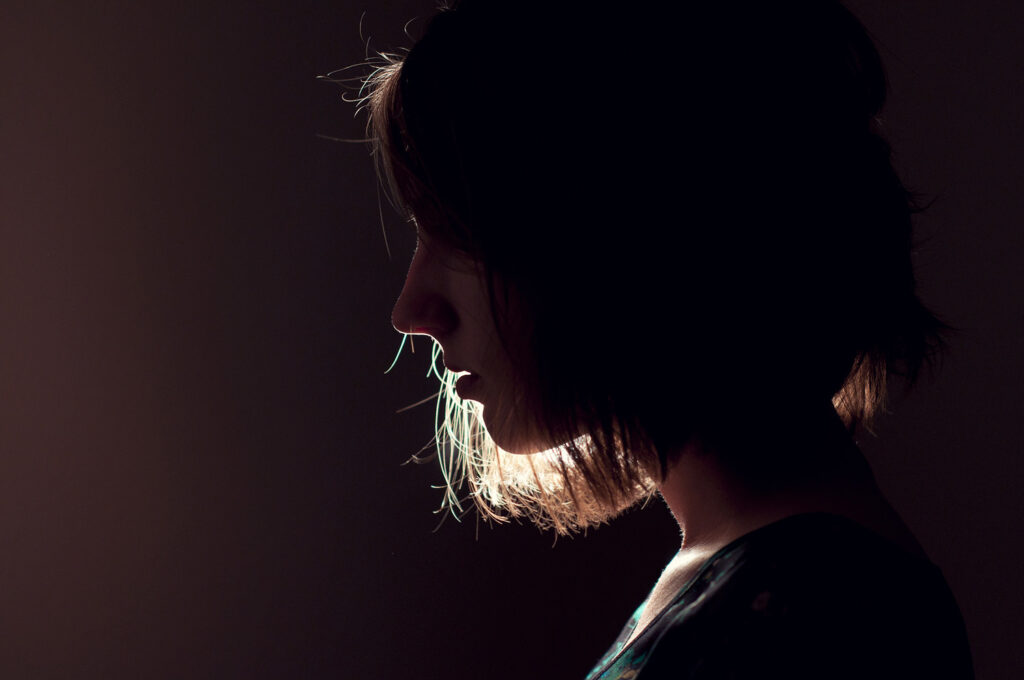
In photography, backlighting involves positioning the main light source for a photograph behind the primary subject. It is a popular technique used among skilled photographers as it can add a level of depth behind subjects, creating stunning, dramatic and expressive photos. It can be utilised using either natural or artificial light sources.
Uplighting
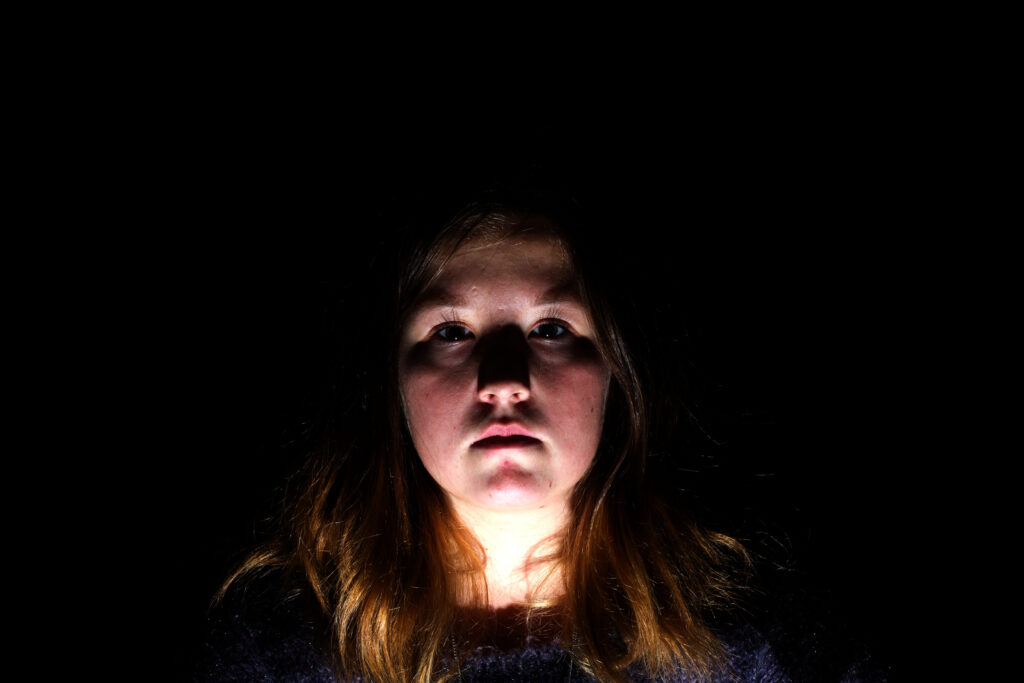
Uplighting is a popular lighting effect created by strategically placing light sources either on the floor, or just anywhere underneath a subject, and shining them upwards. This lighting technique is usually used to create an evil, sinister mood in photographs, as in portraiture it tends to produce hard, unnatural shadows which distort the face.
Underexposure

Underexposure is a photographic term, which refers to images which are darker than the actual scene, resulting in a loss of detail in the darker areas of a photo. It is commonly used to create a mysterious atmosphere in pictures.
Casting Shadows
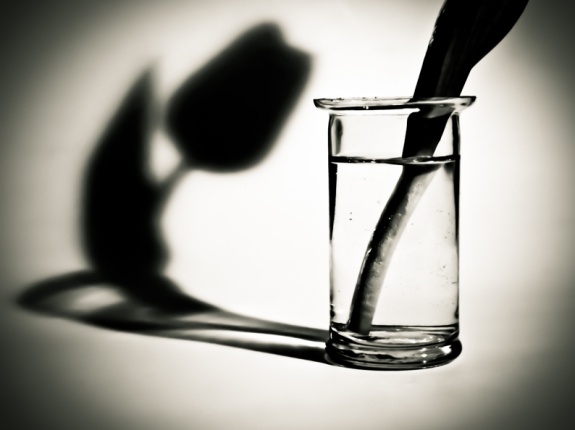
Casting shadows in photography is a technique that can be used artistically to put together an interesting composition, tell a story, convey emotions and more. They add depth, shape and texture to our imagery. Naturally produced shadows can be used creatively, or shadows can be purposefully cast and enhanced using different objects or more than one artificial light source.
Harsh Lighting
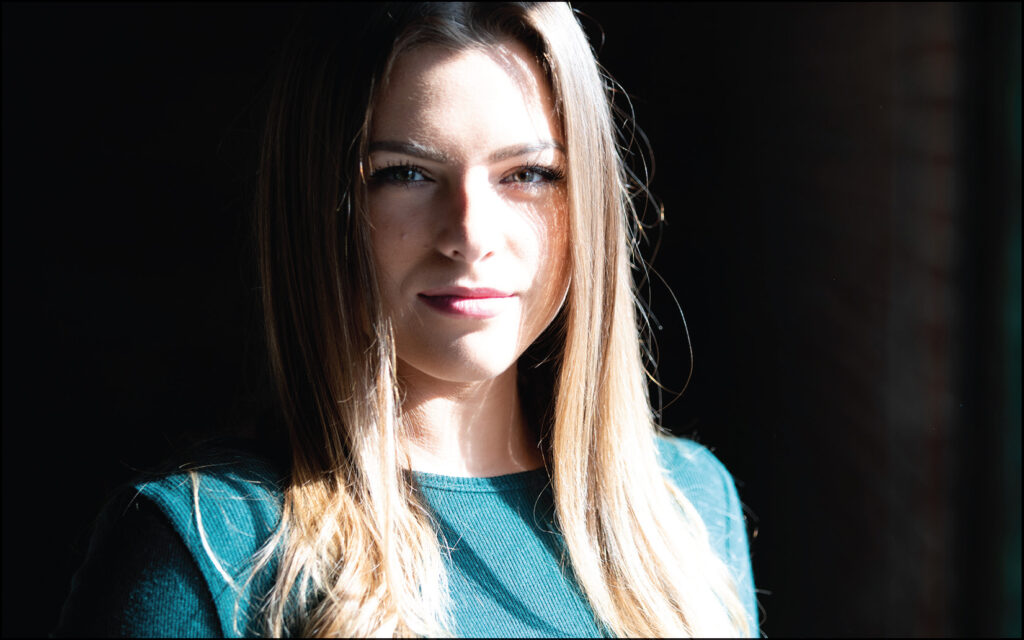
Wether it be from direct sunlight for a lamp with no covering, harsh light creates strong, hard shadows, which is great for creating depth in subjects that might otherwise look flat and unappealing. It is the polar opposite of soft light as it generally creates high-contrast shadows.
Shooting Through Objects

Framing a subject by looking through something in the foreground can add a sense of dimension to our photographs. Shooting through things that are transparent or semi-transparent can create reflections, blurs or patterns. Objects can range from glass orbs to something as simple as the leaves from a bush. Photographers often use these+ framing techniques to add interest to an image.
Practical Lighting
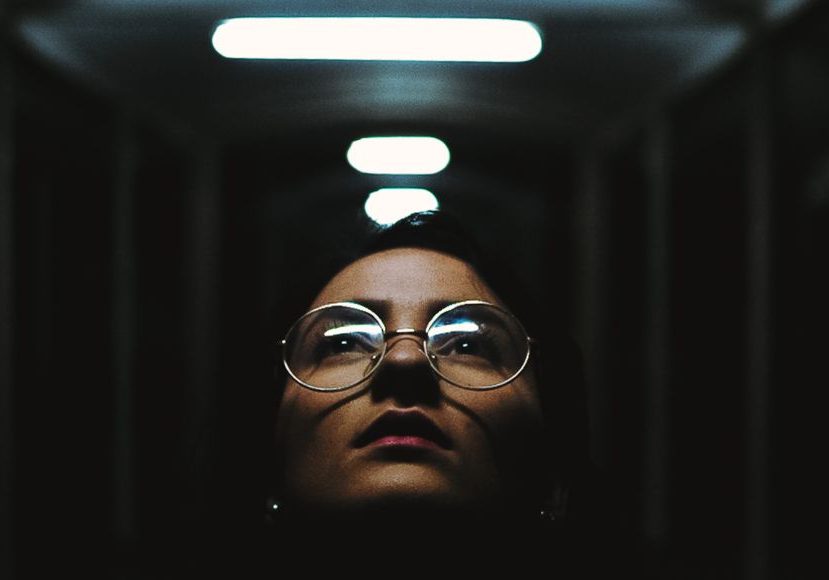
Practical lighting is the technique of using light sources that are seen within the frame of a shot. This approach to lighting can be achieved with a variety of light sources such as lamps, candles, TVs, computers, flashlights, car headlights or even natural light coming in through a window. This type of light serves a practical purpose but doesn’t always emit a ton of light on its own.