Artist Research- Diane Meyer
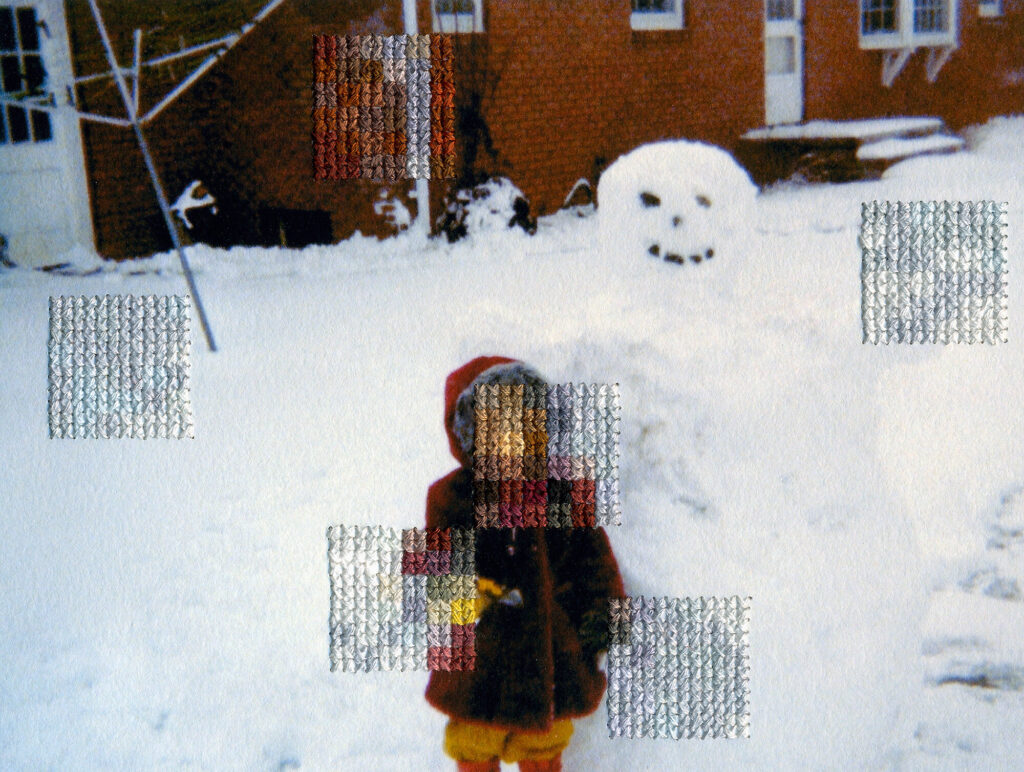
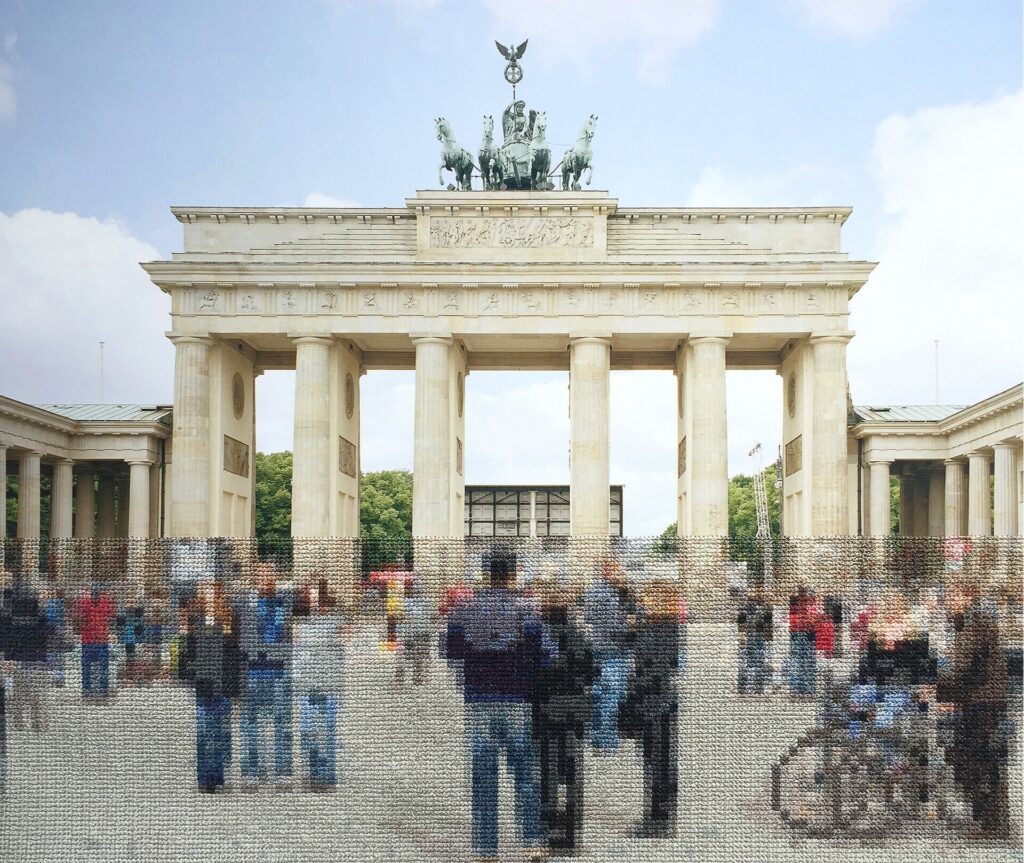
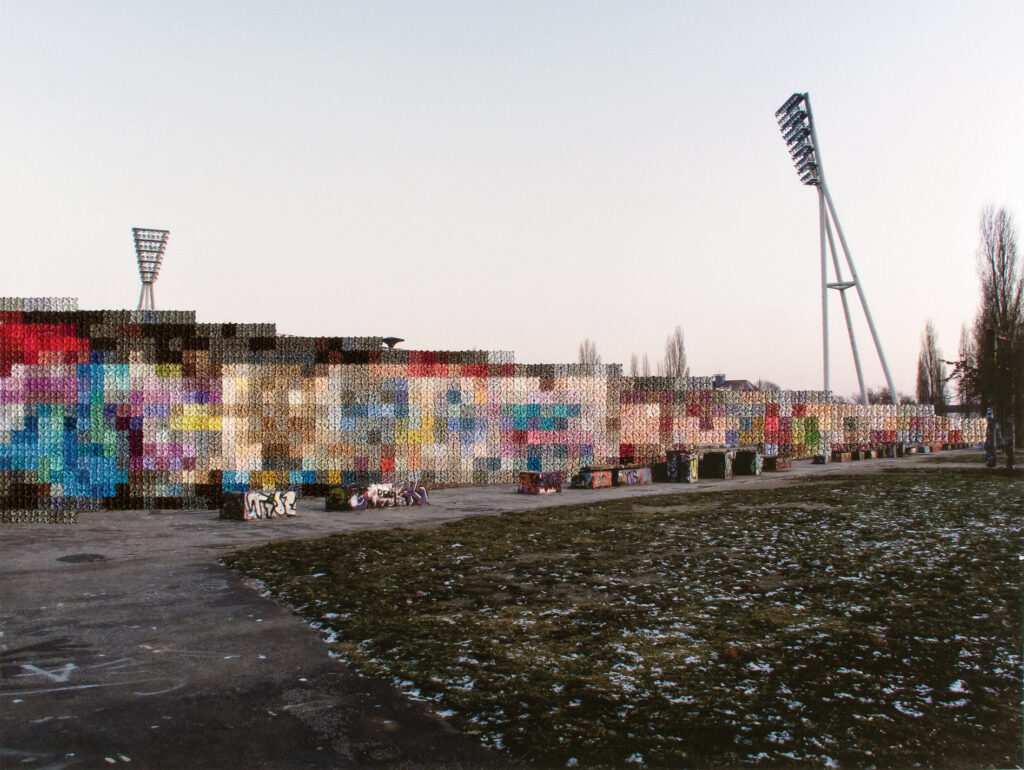
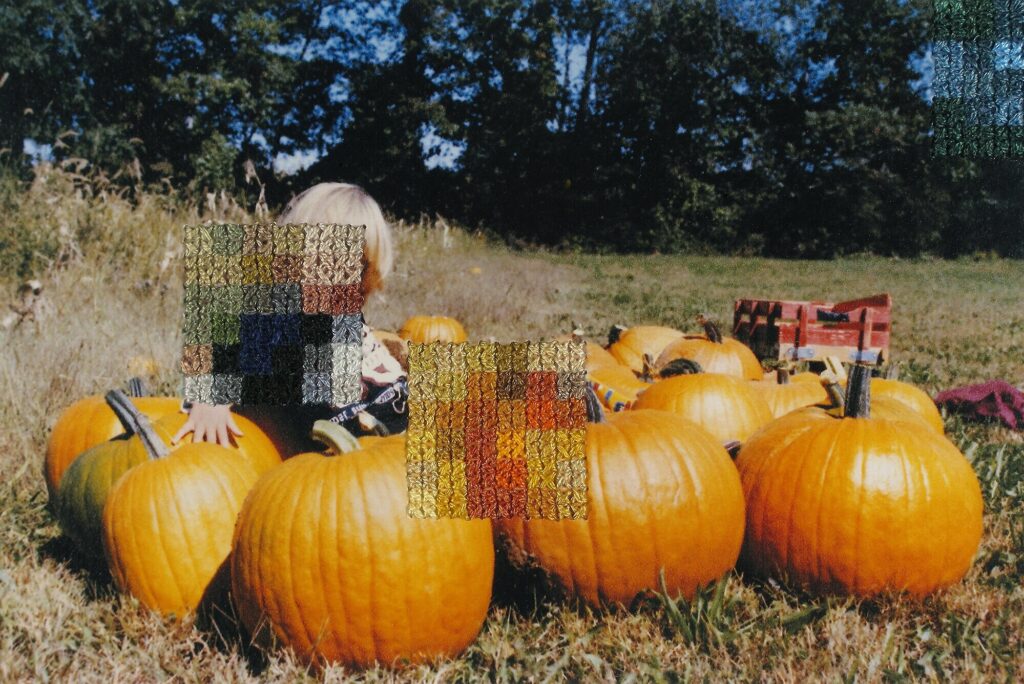
Diane Meyer is a Los Angeles based artist and photographer who is known for her unique approach to combining traditional and digital imagery through embroidery. She is most recognised for her embroidered photographs, which involve stitching directly onto photographs to create a pixelated effect. This is a technique which adds new textures and dimensions to her images and can be seen as a form of digital manipulation using physical means. She has participated in various exhibitions, including the exhibition ‘A Matter of Memories: Photography as Object in the Digital Age’.
The projects of hers which I am most interested in are ‘Berlin’ and ‘Time Spent That Might Otherwise Be forgotten’. The reason for this is that I think the photos in these series do a great job at representing what memories can actually ‘look like’ when thinking of them. They illustrate how the details in human memories can be indistinct and become extremely distorted over time. Visual memories tend to be simplified when thought of in the mind, with multiple areas missing information- like they have been pixelated.
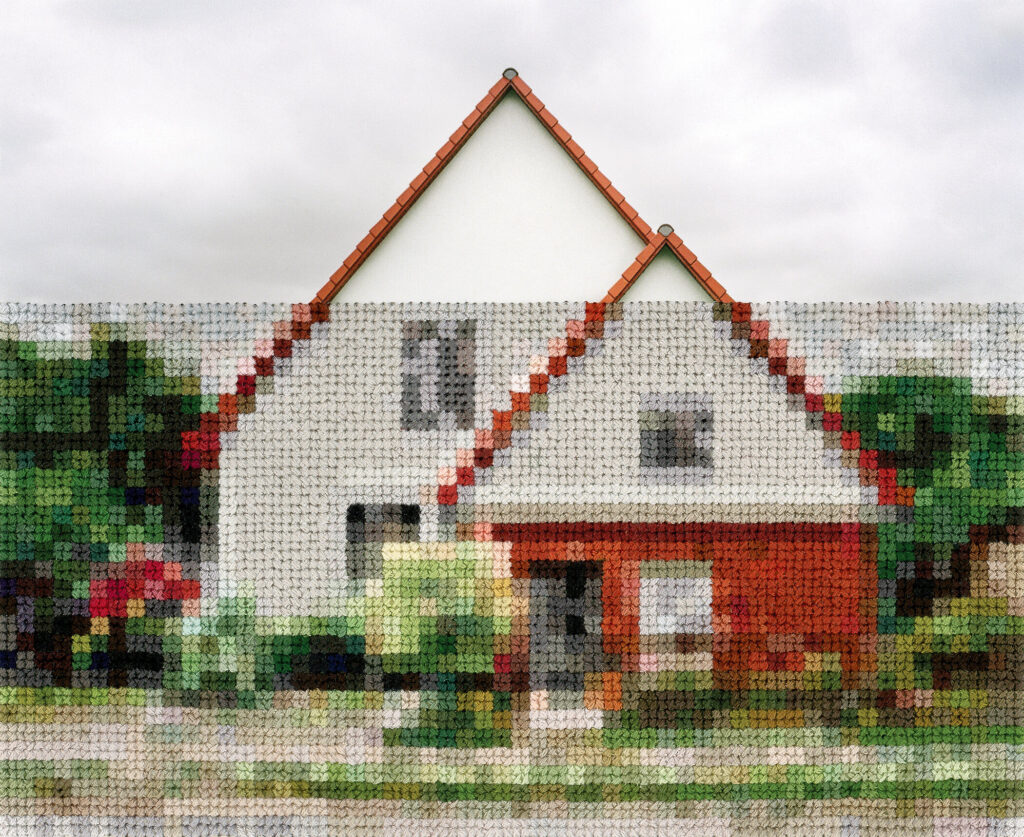
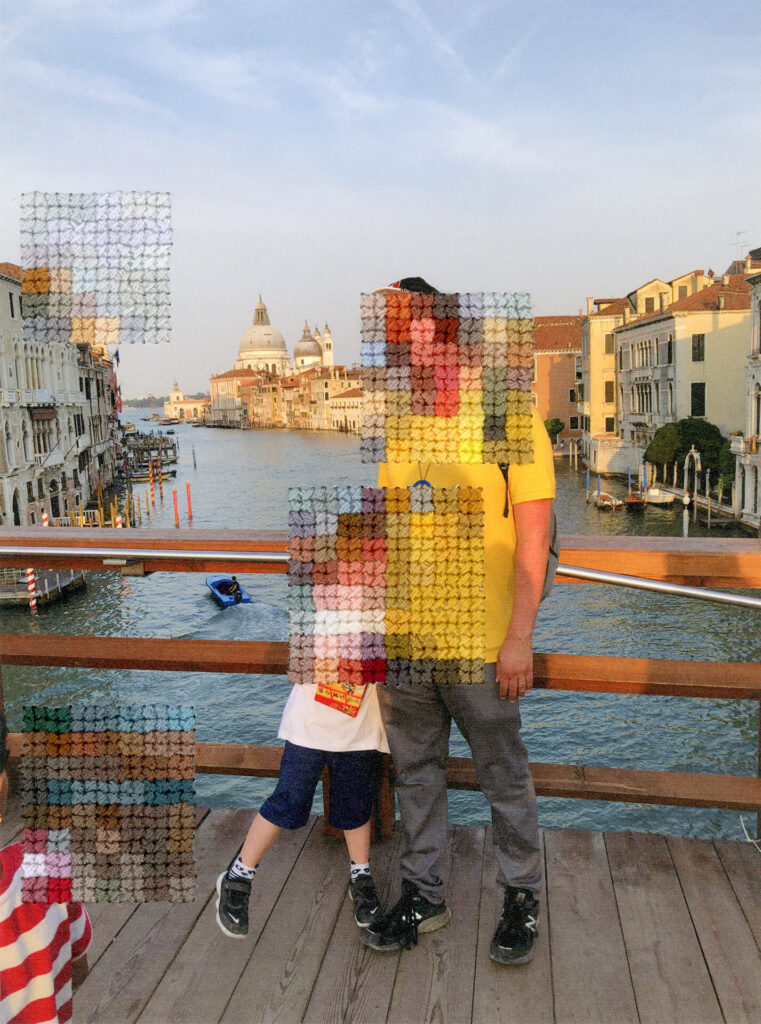
Diane Meyer Shoot Plan
My plan for this shoot is to take wide framed photos in public spaces, with clear main focuses/subjects of the photo. Examples of this are peoples face, a statue, a fountain, cars etc. I will then use photoshop to pixelate some parts of the photo which could be considered most ‘important’, so the details can only be imagined by the viewer vaguely. My aim is to take photos which contain scenes that I usually view in my day-to-day life as, from my own experience, when I try to remember exactly what I was seeing a few days ago, there are a lot of spaces that are sort of ‘blank’ with only rough colours and outlines being clear.
Diane Meyer Shoot
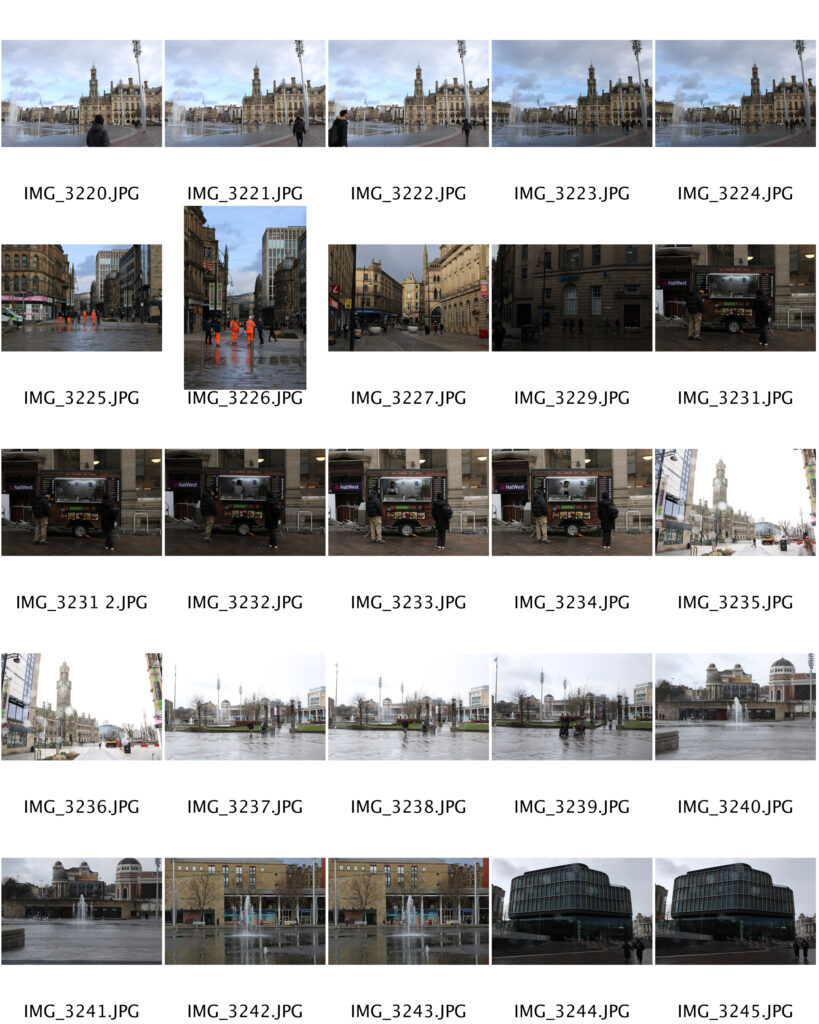
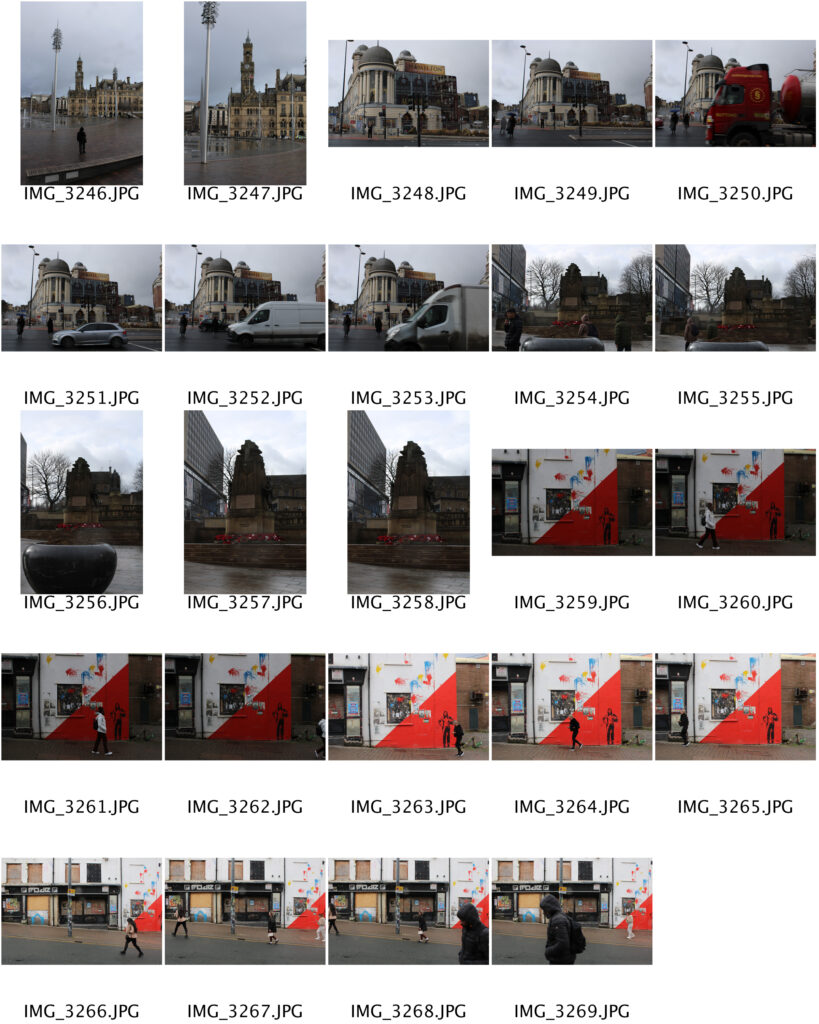
I decided to re-walk the routes in town which I usually take when making my ways to and from college. Many of my photos are wide framed as I felt this would make it easier to pick out certain areas of the scene which I will pixelate in photoshop. I also made sure to take some photos which have subjects with bright colours that are more distinguishable from the background- like the men wearing high-vis clothing- so the viewer can still make out what is blurred, even though they can’t actually see it in detail.
Editing
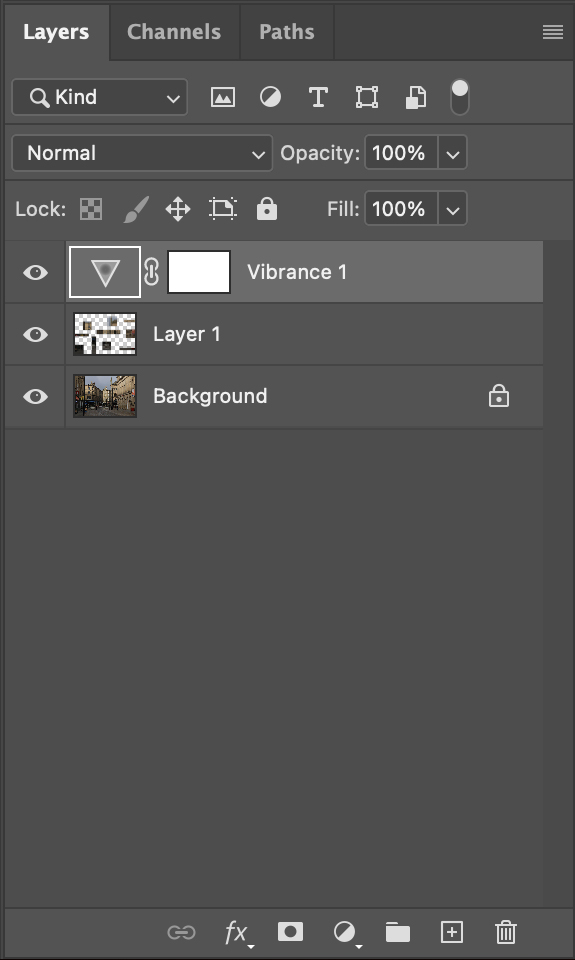
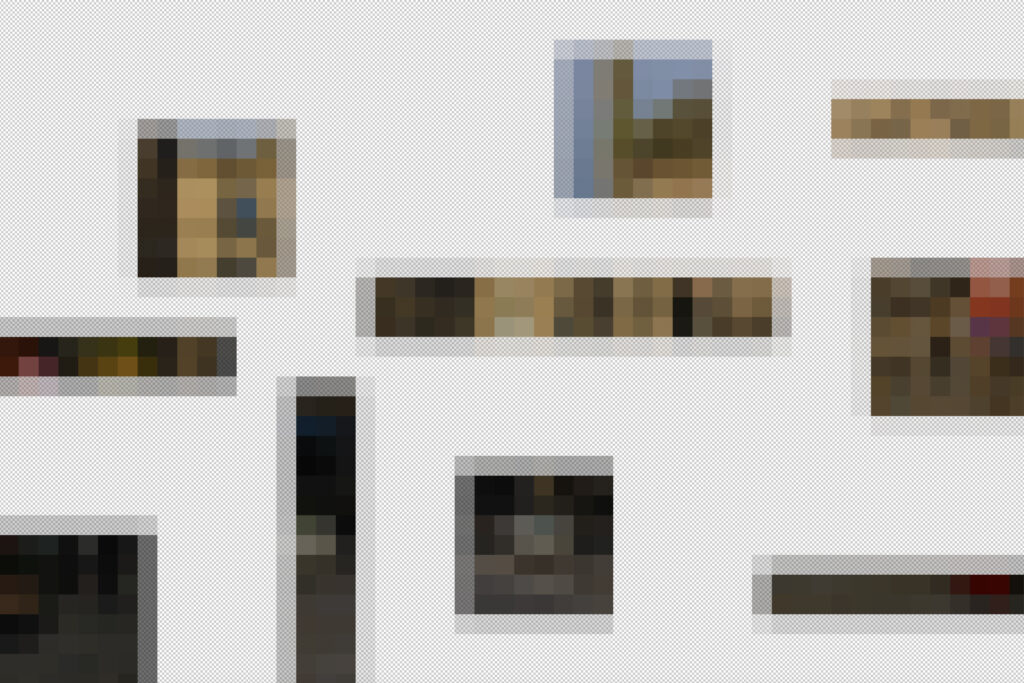
When editing these photos to mimic the style of Diane Meyer’s work, I used photoshop to select the area I wanted to pixelate using the rectangular marquee tool or quick selection tool, before duplicating the selection onto a new layer and pixelating it using the mosaic filter. Depending on the image, I experimented by using different cell (pixelated square) sizes, using both squares and rectangles of pixelated areas and even by creating pixelated strips running across parts of the image. I adjusted the brightness, contrast, vibrance, saturation where needed and layered the pixelated areas directly on top of each other multiple times. This was to make them stand out from the background more, making them more noticeable at first glance.
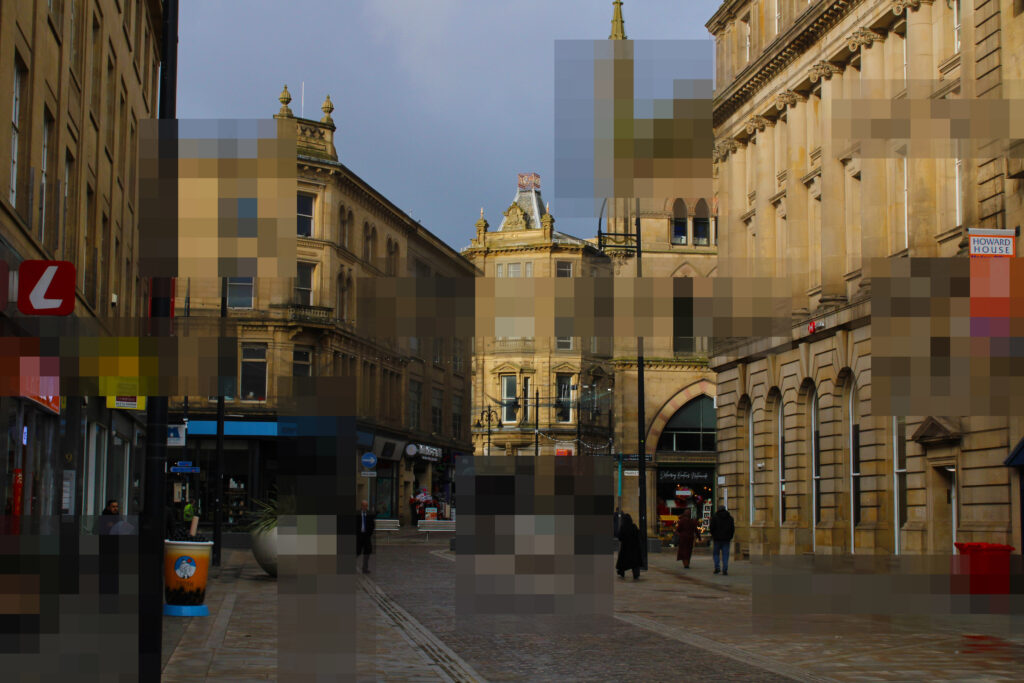
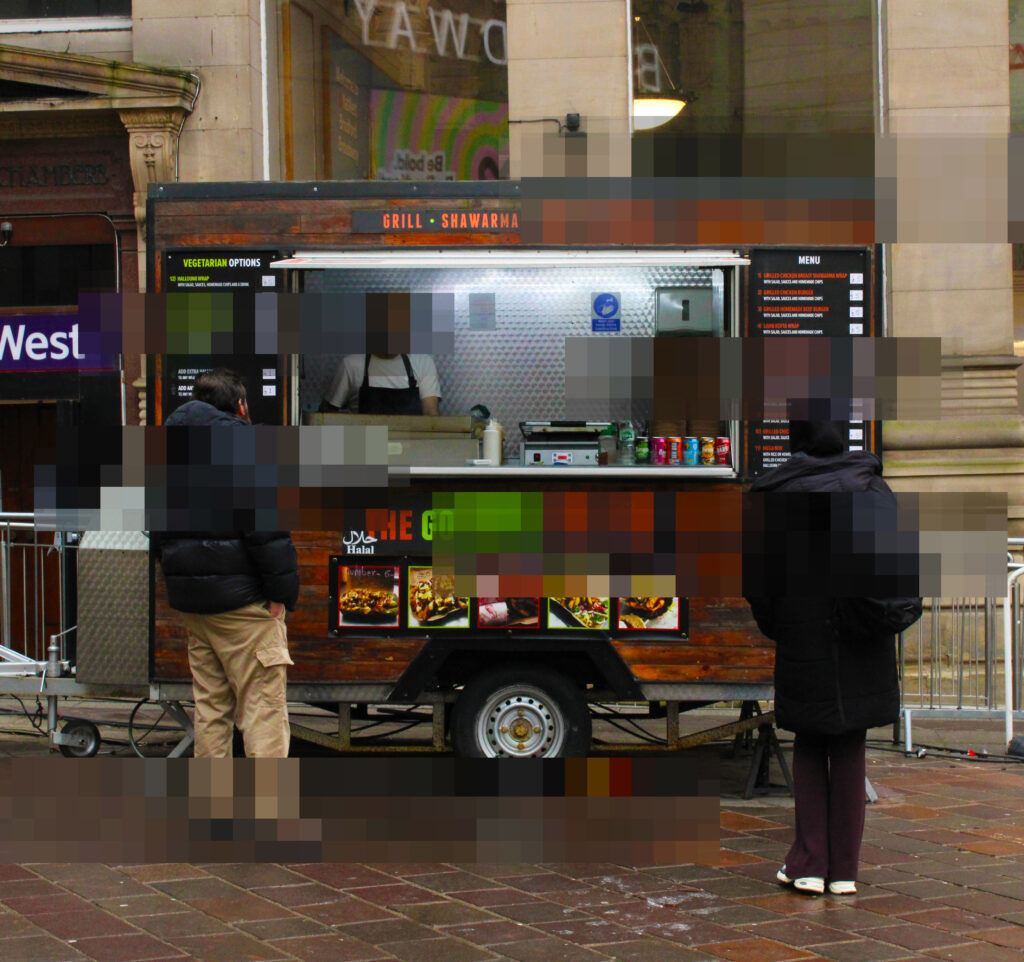
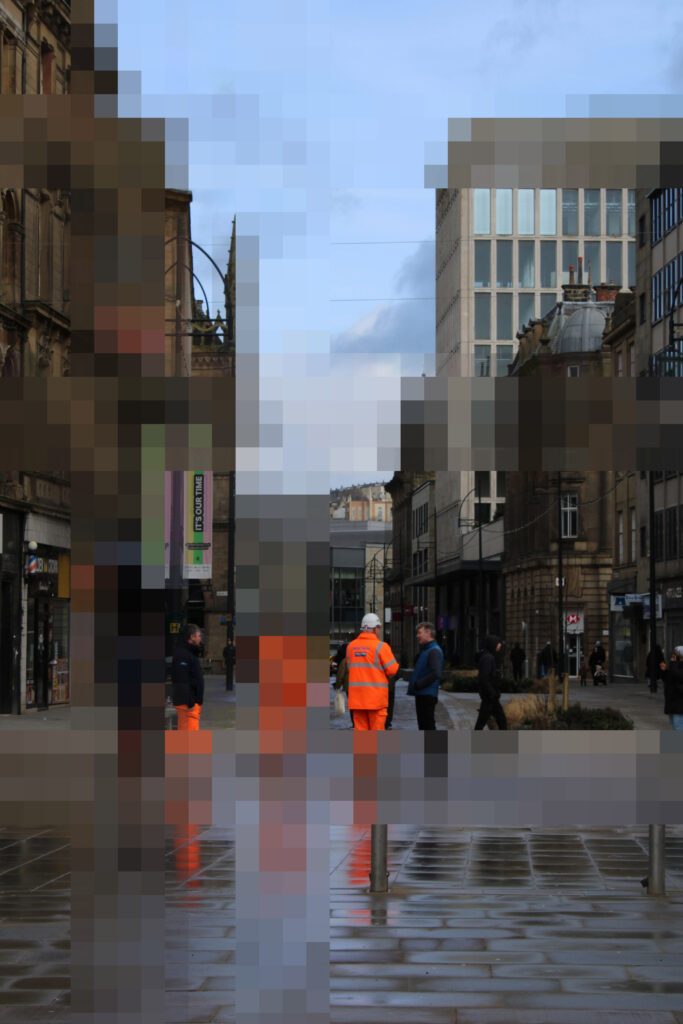
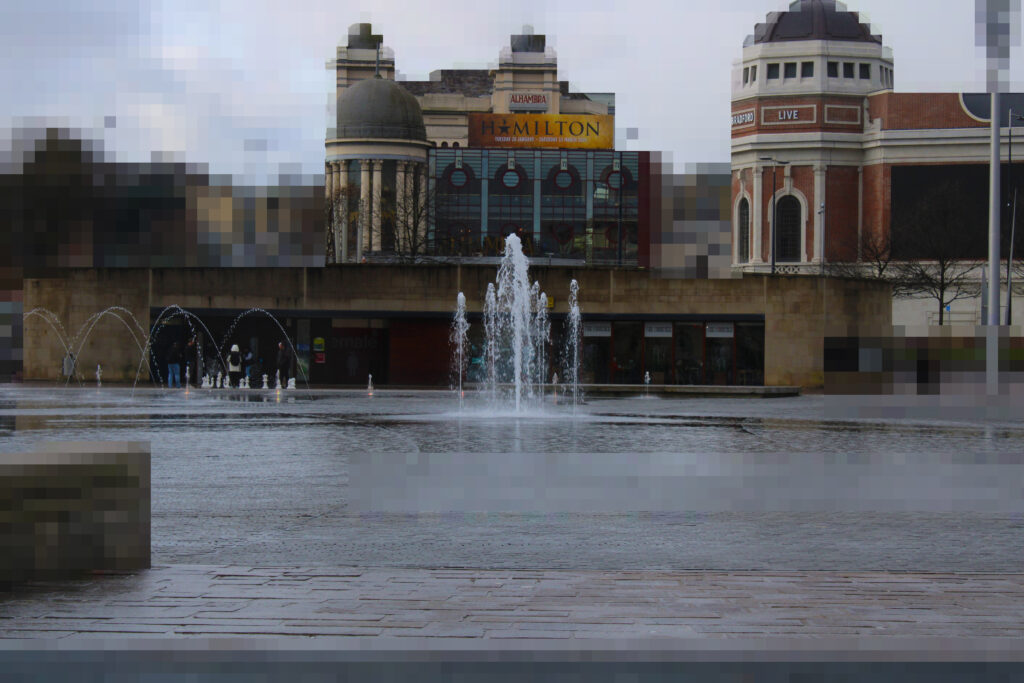
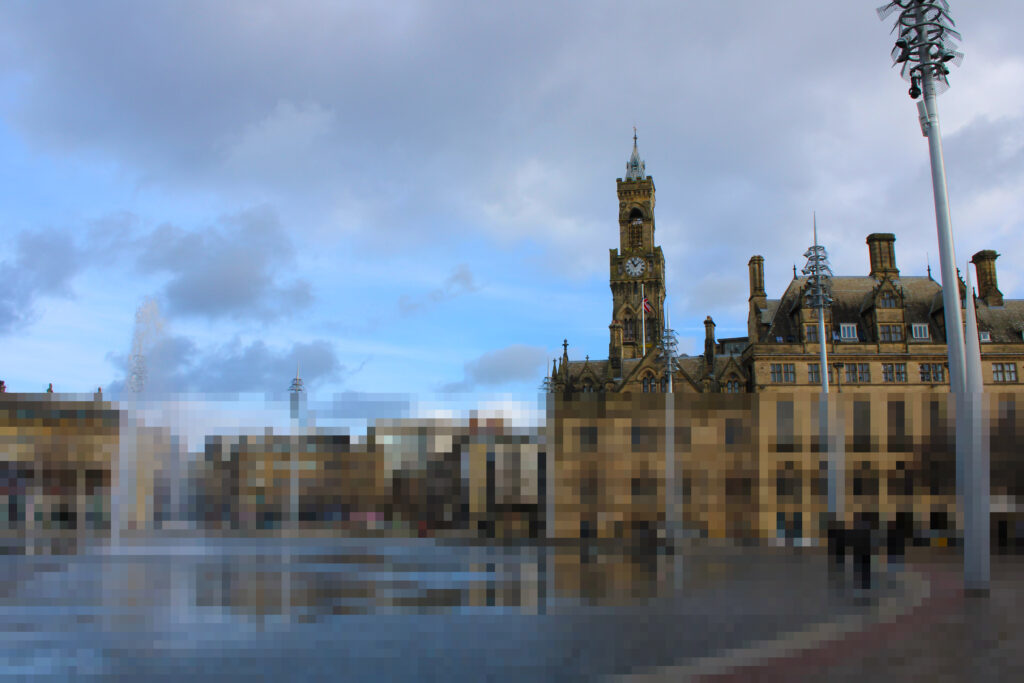
I really like the end results of all of my pictures after editing. I tried my best to pixelate areas of the images that look blurriest to me when I try to remember the scenes in my head which I think make the pictures quite successful when relating them to Diane Meyers work and her message.
Week 2 Reflection:
During the second week of FMP I…
- Edited and evaluated the pictures from my Photo Essay shoot
- Researched Diane Meyer and carried out a shoot related to her work, which I edited and evaluated
Editing the pictures from my Diane Meyer based shoot allowed me to learn how to skilfully pixelate parts of an image in photoshop, as this is something I had never done before until now. My intentions for next week are to find and research a photographer who shoots mainly in black & white and to get started on my project proposal.