The museum has lots of guests all year round and it’s important to have a wide variety of consumers so everyone is included and taking part. The museum advertise to a lot of people ; but how do they do this? From my own point of view I see a lot of advertisement from billboards on the street leaflets at college/bookshops and I see advertisements on social media such as Instagram. Culture segments are an important thing to look at when wanting to advertise to everybody. Finding out how people are told about workshops and events are important.
These segments are slices of the culture market defined by what they want from a cultural visit. So when consumers come to these events they all know what they want to see and how they’re going to see it.
Lets start by looking through these segments. First up we have the ‘Avid Cultural Consumer’. These people are self directed with very high expectations. They know exactly what they want to see and have very high expectations. These people have a very wide range on what they like. This group have a big influence on their peers which is one reason that they’re important to the market.
The next group we have are the ‘Entertainment Seekers’. This is an important part of the culture market. They are social, younger people who appreciate the arts on a regular basis. What I mean by younger people is students in university or people just starting out early in their career. Their social lives usually depend on these cultural visits and they find it important in their everyday life. They are also important with their online presence because they share their experiences on social media, therefore letting more people know, and helping the culture market.
Next are the ‘Passionate Specialists’. These consumers are specialists in the area they are most interested in. This group know every fact and every detail there is to know about it. For the museum it is important to keep on top of the information and make sure it is right ; they will know if it’s incorrect!
Then we have the ‘Heritage Fans’. These are the gentle consumers who don’t take much risk and enjoy a peaceful day out. They like calm enrichment such as fact seeking. these consumers are usually the older generation, they usually come alone, as a couple or bring their grandchildren along with them for a nice day out.
‘Time poor aspirers’. These consumers juggle many priorities in their lives and usually don’t have much time for activities. Family day outs are difficult to plan for themselves and they don’t usually do them. They take up a small portion of the culture market, which is why we need to find a way to advertise and find a way for them participate.
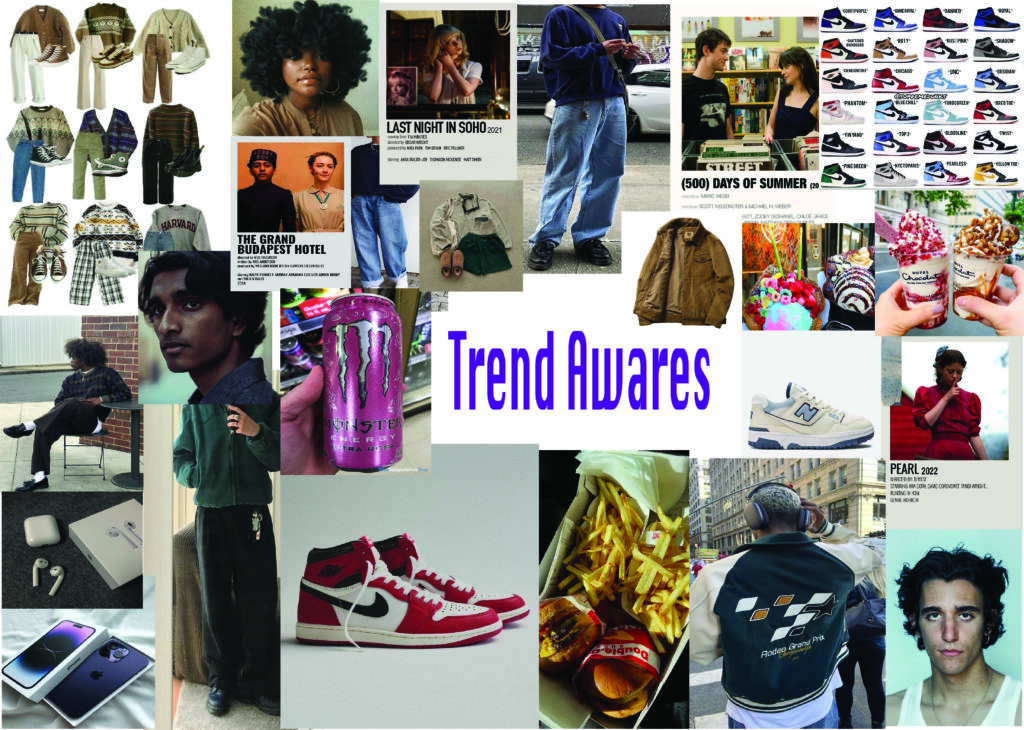
This is a mood board all around the culture segment ‘Trend awares’. This segment of people are up to date with all the trends. They use social media to start new ones or follow the popular things online. It ranges from clothing, food, technology, haircuts and trainers. ‘Trend awares.’ These are the most important part of the culture market as they take up a large portion of it and the one I will be researching the most.
Marketing: advertisement, how do they advertise to everyone? kids, teens, adults, older generation How are they successful with this? free? profit?
Ideas for the museum:
The museum already has a range of interactive technology and caters many people. It is mainly based on media and I would like to see more interactive art in the museum.
In my opinion the museum could have sections of art that consumers have to take a picture and post on social media. The art could be made more interactive by adding QR codes, connecting the art to an app maybe and being able to find more information online.
Nowadays, everything is online and all uploaded onto social media. If QR codes and apps were used it’ll make it more likely that it’ll be online and this is how we can connect the art to a wider audience.
Advertisement:
We want this to reach all audiences, so there needs to be different types of advertisement everywhere. For the younger audience (8+), we can provide schools with information and put together school trips, so they can visit.
For young adults (13+) we can advertise online, because that’s where most of us are! Advertising on social media such as Snapchat, Instagram and TikTok can slowly grab attention and advertising something fast, fun and free will grab the attention.
For students (university, 19-24+), online may grab their attention but we could also have leaflets or posters around university that may grab their attention. Free is also a big thing to advertise to this age range.
For Adults, (28+) we need to know that they may have full time jobs, kids and a lot of priorities. Advertising may be difficult but we can put posters on bus stops, billboards and leaflets at different shops and it may interest them.
For the older generation (60+) we can also advertise on leaflets, I myself have seen leaflets being put in bookshops and have seen them work to get this generations attention.
I have been researching an artist by the name of Matt Pyke. He specialises in interactive art which allows the audience to make their own art and play around with the AI. AI has become more popular with the younger generation and on social media. It’s important to keep up with the trends, but to also stay on brand which is important for the media museum.
The link above is an art installation that is called ‘future you, more than human’. The audience can experience a reflection of their future, synthetic selves. It is a fun way to let the audience interact and see how technology has evolved.
One thing I would love for the museum is more social media interaction. The link above shows an AR app for Iphone. The museum can integrate more interactive art by having an app or a website where you can access more of the artists work, have fun and upload online to share. The app can have a picture or video option so the audience can choose, then have an upload option so they can save the picture and/or share to social media.
These art pieces can appeal to all age ranges and it is fun for everyone. The art doesn’t have to be for art lovers ; anyone can love it and find it exciting! It’s purpose is to get people more inspired in art and let them know how technology and art work well together.
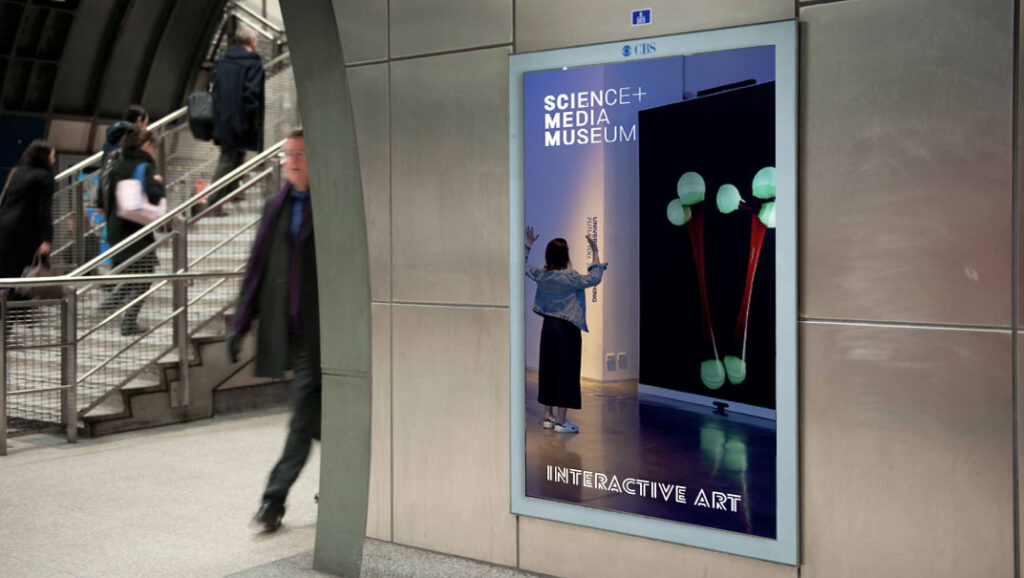
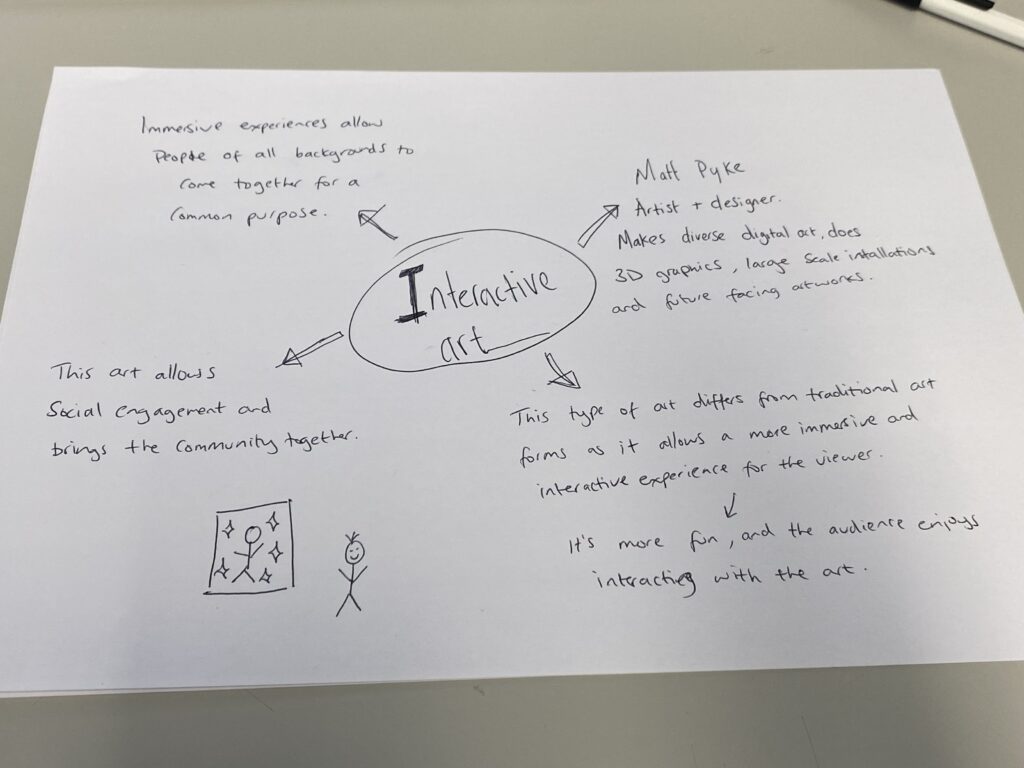
What Interactive art could bring to the city and how it will bring the people together.
This is my complete essay and it is an analytical report of having the importance of a marketing strategy and a deep dive into the science media museums current strategy.
I go into detail about all the different types of strategies, the ones that will provide most useful for the museum, how the museum could attract more and include a lot more people from the diverse community of Bradford.